How do I choose the right industrial electric motor for my equipment?
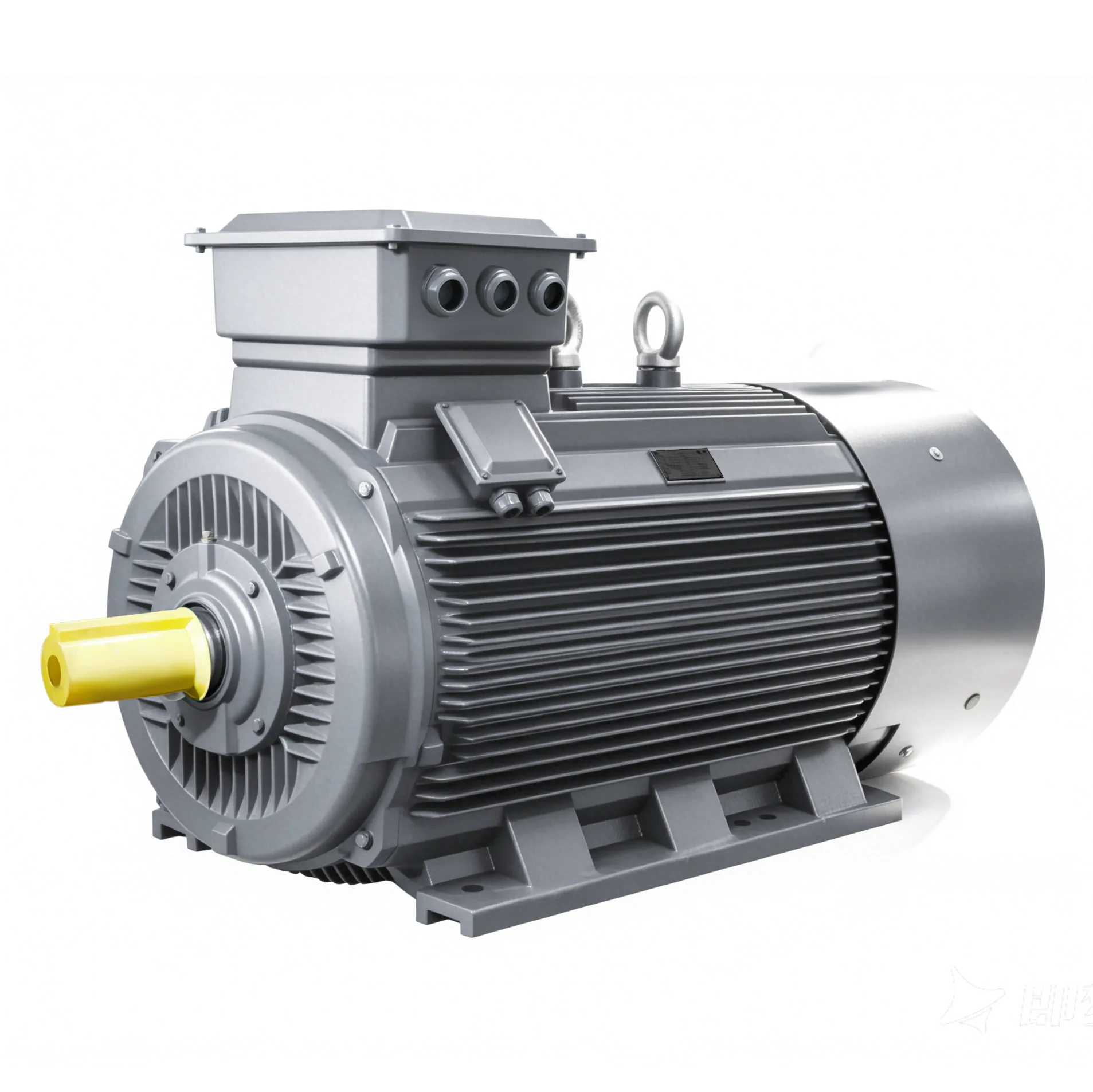
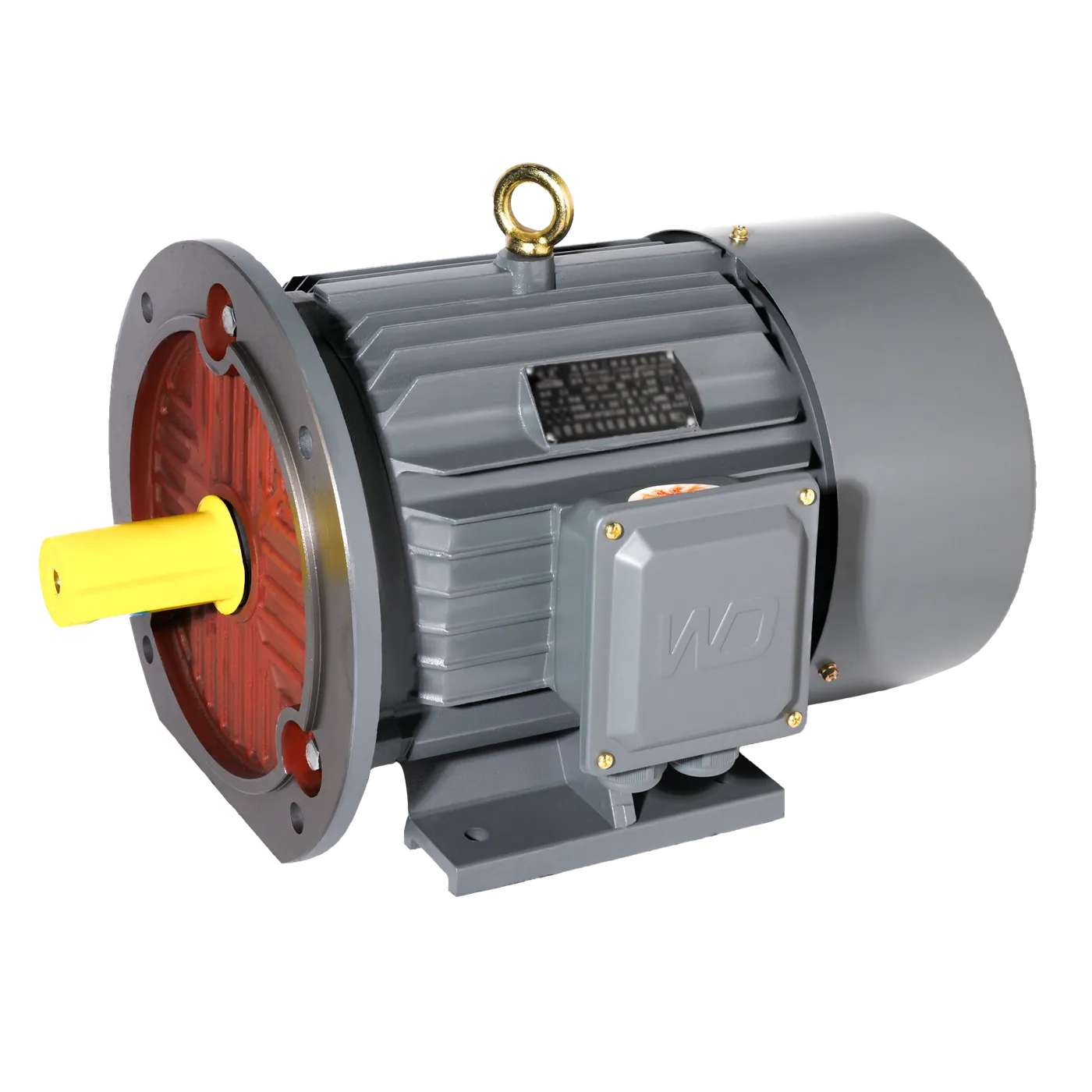
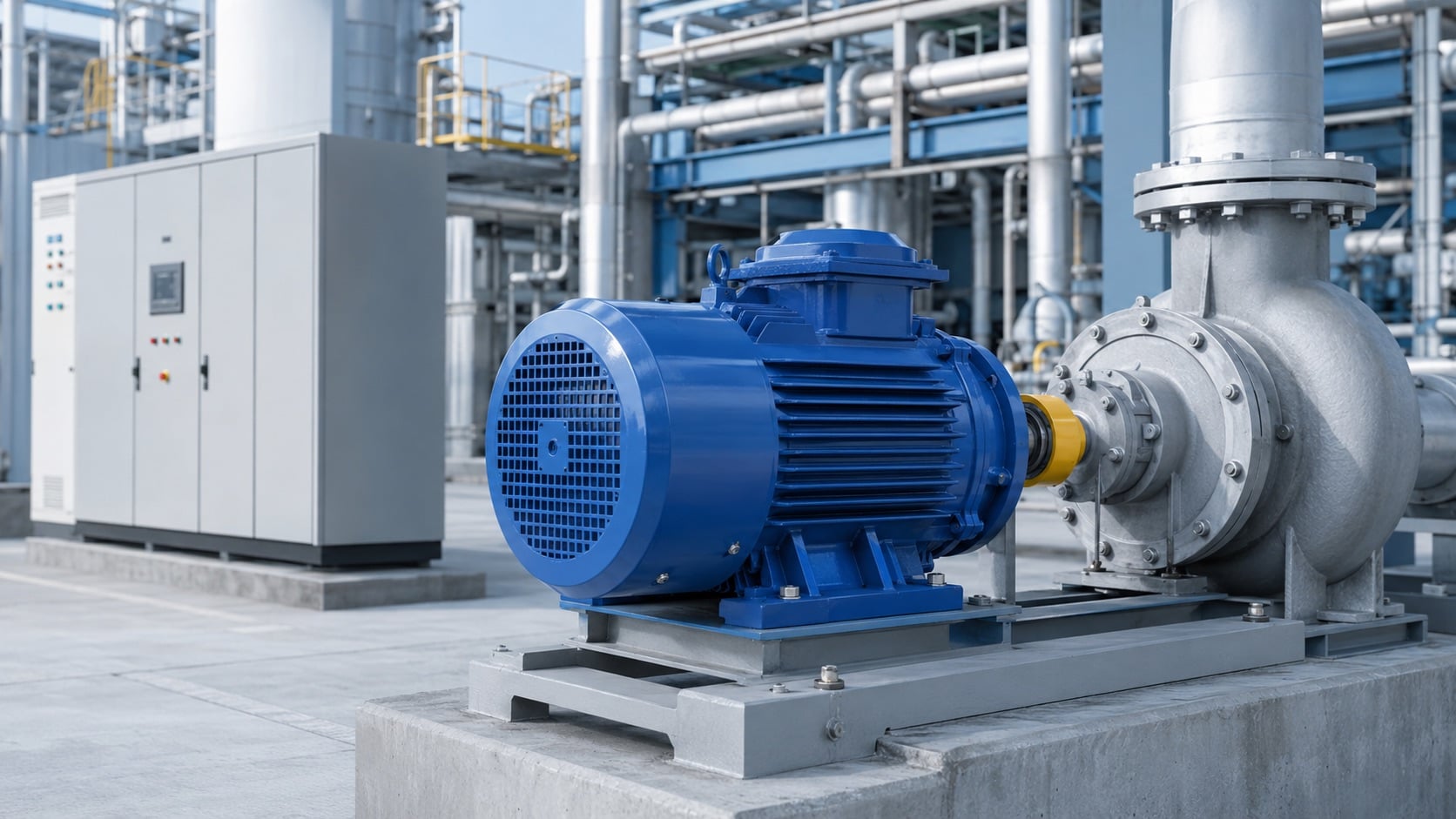
The motor should be selected according to rated power, voltage, frequency, speed, frame size, mounting method, shaft dimension, protection grade, insulation class and load type. For pumps, fans, compressors, conveyors, reducers and other machinery, the starting load and working environment should be confirmed before quotation.
What information is needed to quote an industrial electric motor?
A quotation usually requires power rating, voltage, frequency, speed, frame size, mounting type, shaft diameter, protection grade, insulation class, efficiency level, quantity and application. If the motor is used for replacement, nameplate photos and installation drawings help confirm the correct specification.
Can this motor be used for pumps, fans, compressors and machinery?
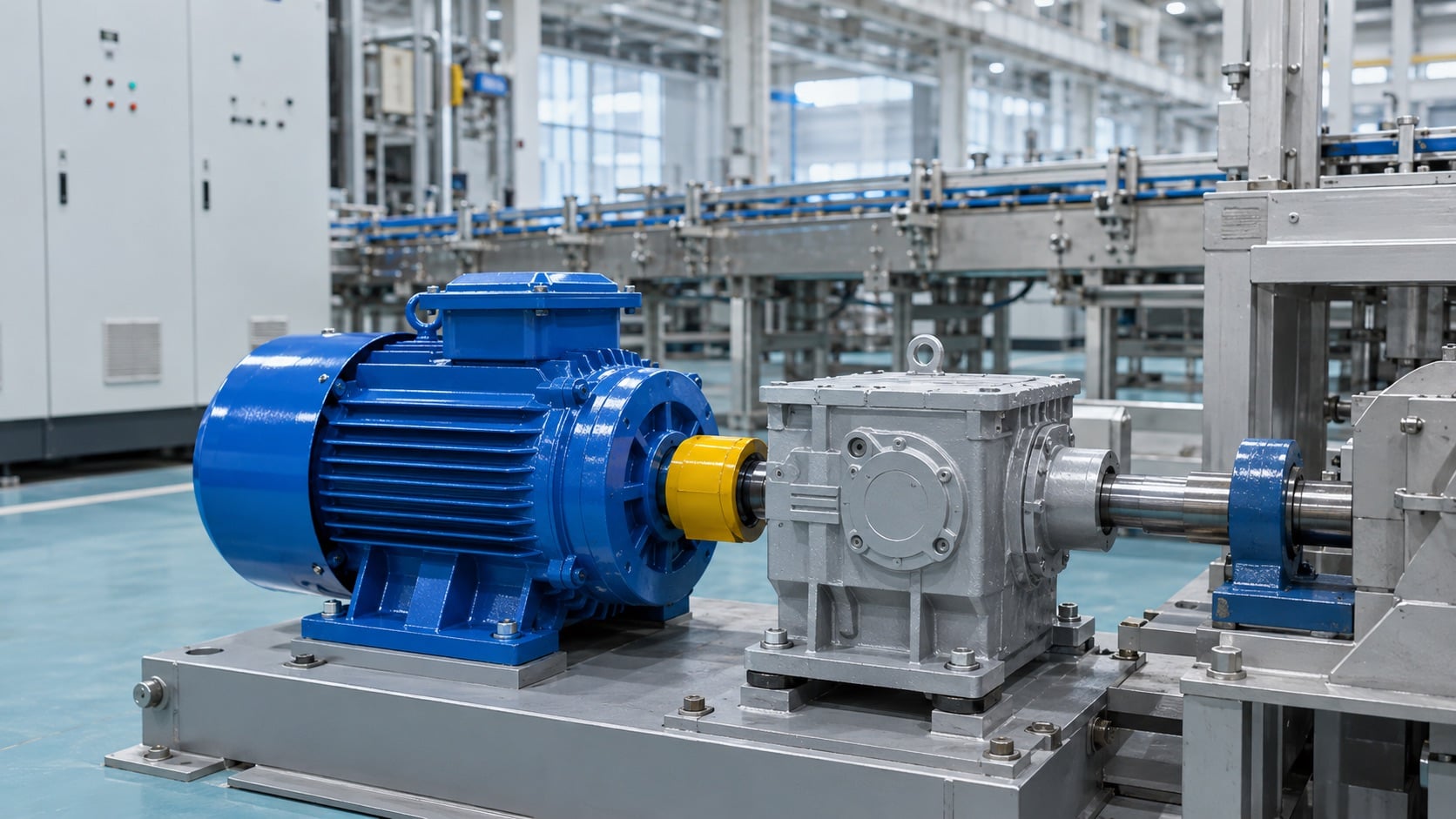
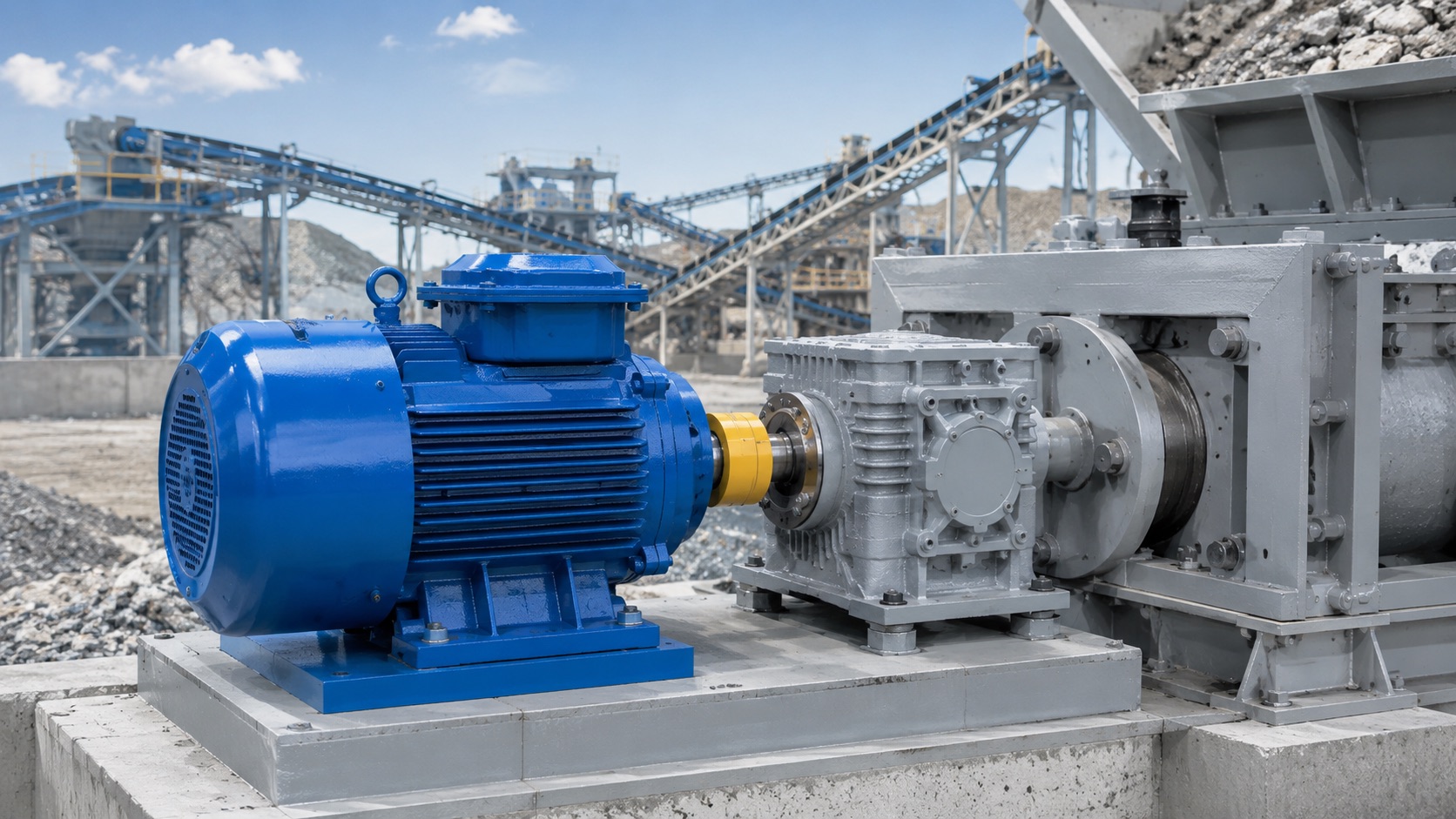
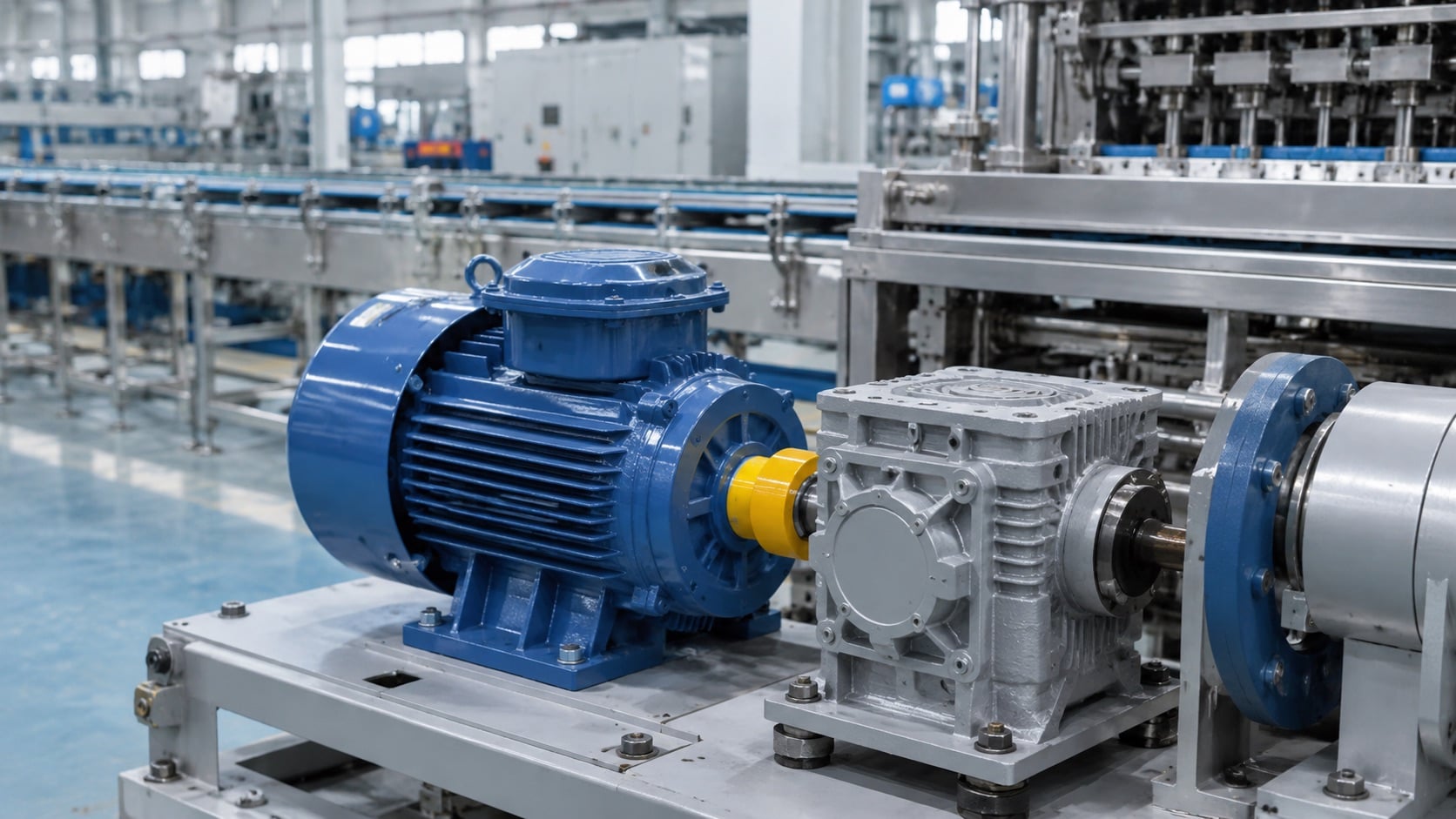
Yes. Industrial electric motors are commonly used for pumps, fans, compressors, reducers, conveyors, mixers, crushers and general mechanical equipment. The final selection should be based on the real load condition, operating time, starting frequency and installation environment.
What efficiency level should be selected for industrial motors?
The efficiency level should match the destination market, operating hours and energy-saving requirements. IE3 and IE4 are common options for international projects and equipment manufacturing. For long running hours, higher-efficiency motors can reduce electricity consumption and improve long-term operating economy.
What is the difference between aluminum housing and cast iron housing motors?
Aluminum housing motors are lighter and suitable for many small and medium-power applications. Cast iron housing motors provide stronger mechanical strength and are often used for larger power ratings, heavy-duty machinery or harsher working environments. The choice should consider motor size, vibration, installation position and equipment structure.
Why are voltage and frequency important when ordering a motor?
Voltage and frequency directly affect motor speed, output performance, current, temperature rise and service life. Common requirements include 380V/50Hz, 400V/50Hz, 415V/50Hz and 440V/60Hz. The local power supply condition should be confirmed before production.
Can the motor dimensions be customized for existing equipment?
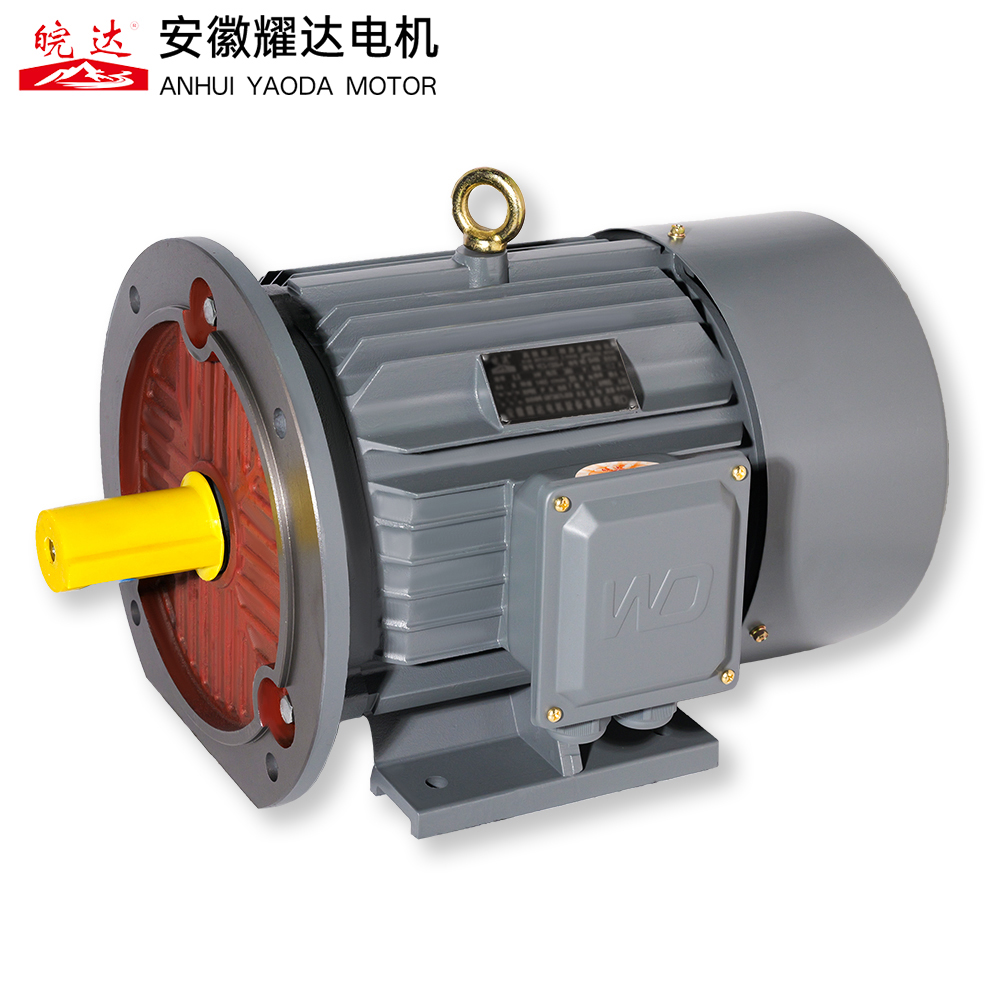
Yes. Frame size, mounting holes, shaft diameter, shaft length, flange size and terminal box position can be checked according to drawings, samples or existing motor dimensions. For replacement use, dimensional compatibility is often more important than the motor model name alone.
What protection grade is suitable for industrial environments?
IP55 is commonly used for general industrial environments because it provides protection against dust and water spray. For outdoor, wet, dusty or corrosive conditions, higher protection requirements, improved sealing, special painting or anti-corrosion treatment may be needed.
Can this motor work with a frequency inverter?
Many industrial motors can work with a frequency inverter, but the application should be confirmed before ordering. Important points include insulation strength, cooling performance, speed range and bearing protection. If the motor operates at low speed for long periods, independent cooling may be required.
What causes an industrial motor to overheat?
Common causes include overload, incorrect voltage, poor ventilation, frequent starting, unsuitable installation, bearing problems, blocked cooling fins or mismatch between motor and equipment load. Correct selection and proper installation help reduce overheating risk.
What tests should be done before shipment?
Common inspections include winding resistance test, insulation resistance test, no-load running test, voltage withstand test, vibration check, noise check, bearing inspection, temperature-rise control and appearance inspection. Test reports, nameplate confirmation and packaging photos can also be provided before shipment.
Can the motor be supplied with customized nameplate or brand label?
Yes. Nameplate content, model code, logo, carton marking, wooden case marking and product color can be customized according to order requirements. The required logo file, nameplate information and packaging details should be confirmed before production.
How are industrial motors packed for export shipment?
Small motors are usually packed with protective film, foam, carton or pallet. Larger motors are commonly packed in wooden cases or reinforced pallets. Proper packaging should protect the shaft, terminal box, cooling fins and mounting base during sea freight or land transport.
What should be checked before choosing a motor supplier?
Important points include model stability, production capacity, parameter accuracy, dimensional consistency, inspection process, export packaging, technical support, OEM service and after-sales response. For repeat orders, batch consistency and clear documentation are especially important.
Can the same motor be used for different machines?
Sometimes yes, but it depends on the application. Even with the same power rating, different machines may require different speed, torque, mounting type, shaft size or protection grade. A fan, pump, conveyor and crusher can have very different load characteristics.
Why is a motor nameplate photo useful for replacement orders?
The nameplate usually shows power, voltage, current, speed, frequency, efficiency, insulation class, protection grade and connection method. A clear nameplate photo helps confirm the correct technical parameters and reduces the risk of selecting the wrong motor.