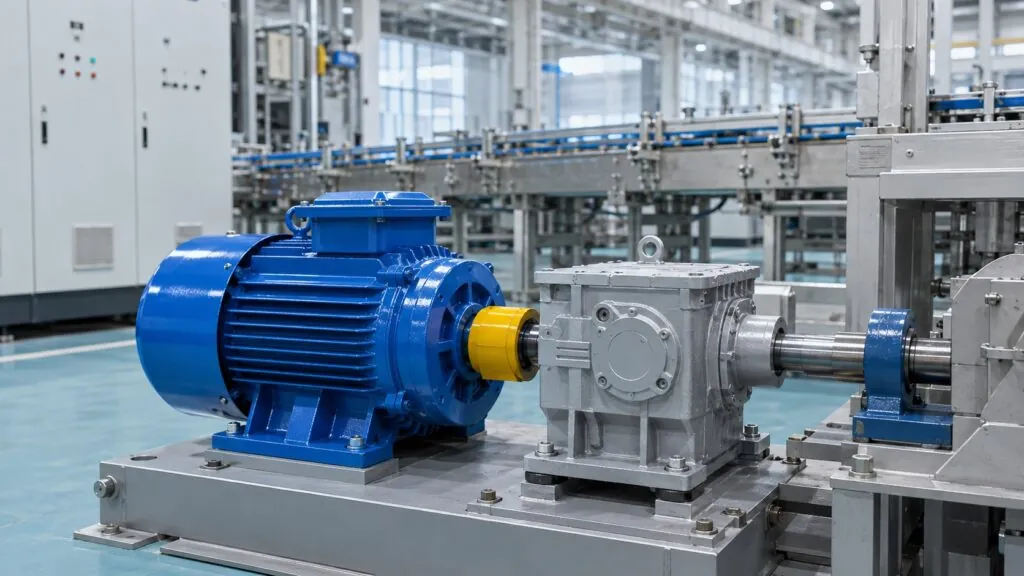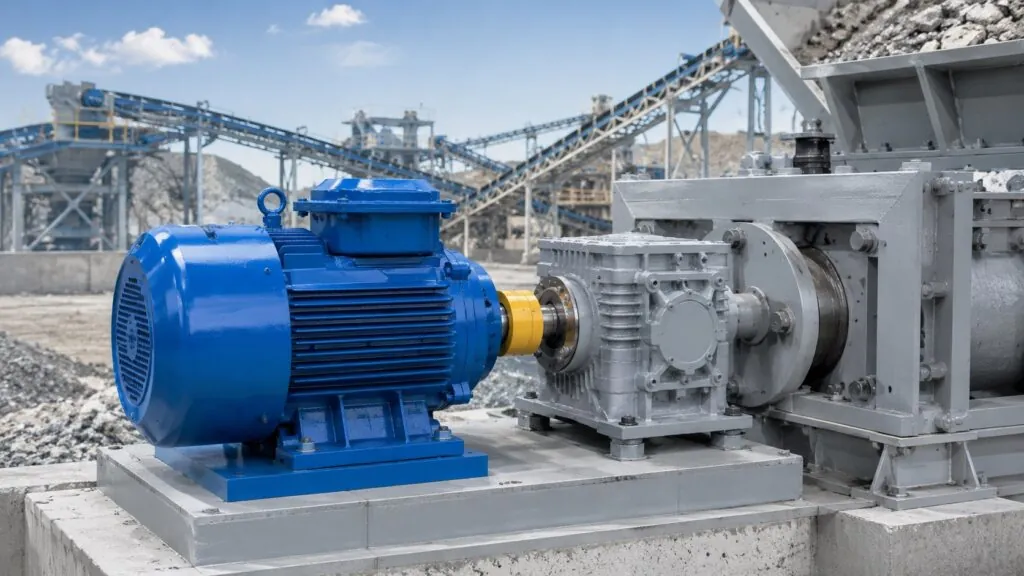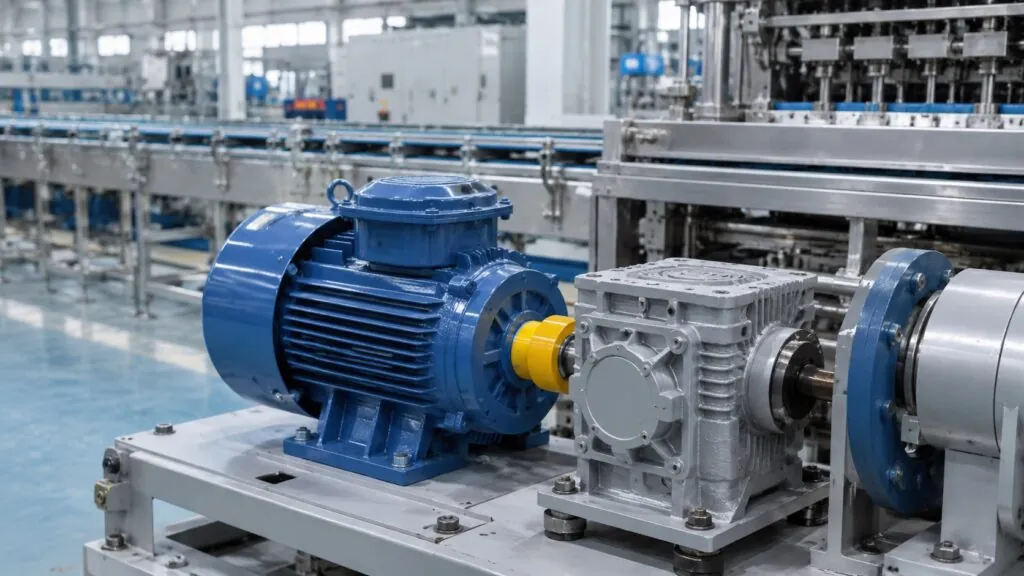




Electric motors are widely used in power plants, power transmission systems, auxiliary equipment, and energy-related industrial facilities. In power industry applications, motors provide stable drive power for fans, pumps, compressors, cooling systems, conveying systems, coal handling equipment, ash handling equipment, and other auxiliary machinery that supports continuous operation.
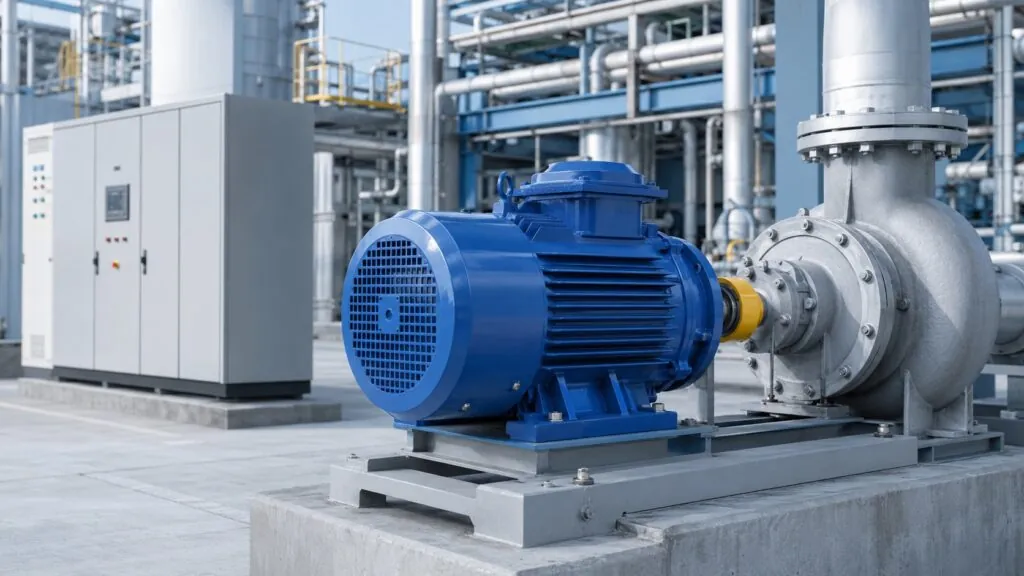
Power generation and power-related facilities usually require equipment to operate for long hours under stable load conditions. Motor reliability, energy efficiency, heat dissipation, insulation performance, vibration control, and maintenance convenience are important factors in these applications. A properly selected motor helps reduce unplanned shutdowns, improve auxiliary system stability, and support safer plant operation.
Yaoda motors can be applied to circulating water pumps, boiler feed auxiliary systems, induced draft fans, forced draft fans, cooling tower fans, air compressors, belt conveyors, dust removal systems, material handling equipment, and other power plant auxiliary machinery. According to different operating conditions, motors can be selected by rated power, voltage, speed, frame size, mounting method, protection level, insulation class, efficiency grade, and duty requirements.
For power industry equipment, motor selection should consider continuous operation capability, starting performance, load characteristics, ambient temperature, installation environment, and compatibility with pumps, fans, reducers, couplings, or control systems. In some special environments, higher protection motors or explosion-proof motors may also be required according to site safety requirements.
A suitable electric motor helps power industry equipment maintain stable performance, reduce overheating and abnormal vibration, and improve long-term operating reliability. For power equipment manufacturers, engineering contractors, and industrial users, Yaoda provides reliable motor options for auxiliary drive systems used in power generation, transmission support, and energy infrastructure projects.
Where motors are used in power plants and energy systems
A power plant or energy system uses a large number of auxiliary drives. Most of them are pumps and fans, and most run continuously, so efficiency and reliability dominate the selection:
- Boiler feed, condensate, cooling water and circulating pumps — continuous duty, often high-power.
- Forced and induced draught fans, cooling tower fans and air handling units — variable torque, ideal for speed control.
- Air compressors and service water systems — high starting torque.
- Coal or biomass handling conveyors, crushers and stacker-reclaimers — dusty, heavy duty; a motor configuration whose current certificate and nameplate marking match the actual gas or dust classification.
- Waste-water pumps and auxiliary drives in the balance of plant.
Efficiency and speed control
Auxiliary drives are one of the few areas of a plant where energy use can be reduced without affecting output. Replacing a throttled fan or pump with a YE4 IE4 motors or YE5 IE5 motors controlled by a VFD matches power draw to demand, and YE3 high-power motors (H355–450, up to 1000 kW) frames from 160 kW to 1000 kW cover the larger auxiliary duties.
For continuous loads above roughly 100 kW, TYP permanent-magnet synchronous motors are also used: they run at synchronous speed with a high power factor, and are supplied with variable-frequency control for fan and pump characteristics.
Frequently asked questions
Which efficiency class should be specified for plant auxiliary motors?
IE3 is the minimum for most markets; IE4 is specified where the motor runs more than a few thousand hours a year, and IE5 where the drive is continuously loaded and the project targets measurable savings. Yaoda supplies all three in H80–355 frames.
Why use variable-frequency motors for fans and pumps?
Flow control by damper or valve wastes energy that a VFD recovers. Because fan and pump torque falls with the square of speed, a moderate speed reduction produces a large reduction in power draw — this is usually the fastest-payback measure on a plant.
Are explosion-proof motors needed in a power plant?
Classified gas or combustible-dust areas require equipment protection suitable for the actual site classification. For any YBX3, YFBX3 or other proposed motor, confirm that the exact configuration's current certificate and nameplate marking cover the gas or dust group, temperature limits, ambient conditions and duty before selection.
Related reading
Motor ranges: all Yaoda motor series. Manufacturing, testing and certification: factory environment and type test laboratory. Related notes: industrial applications and mining equipment.