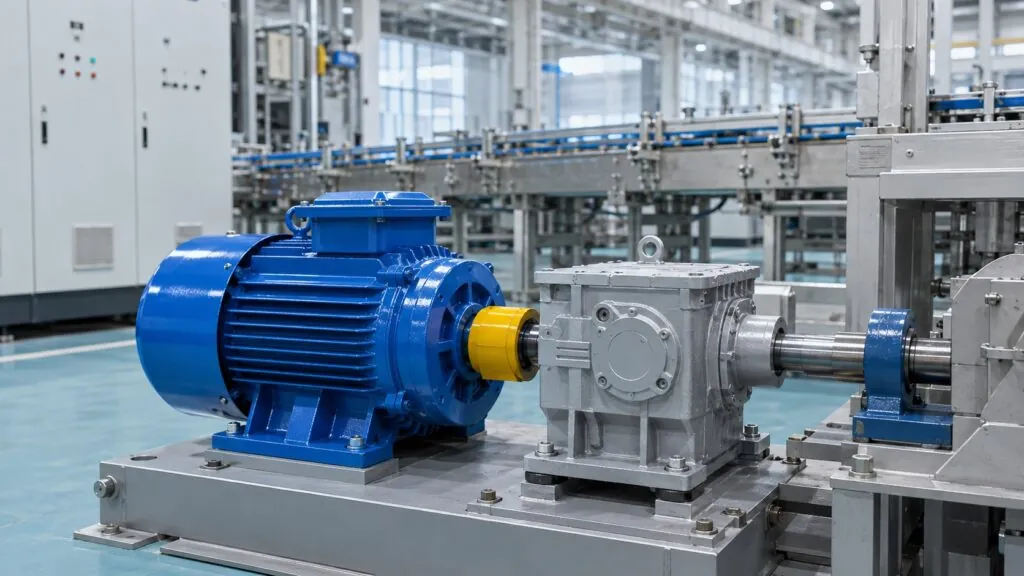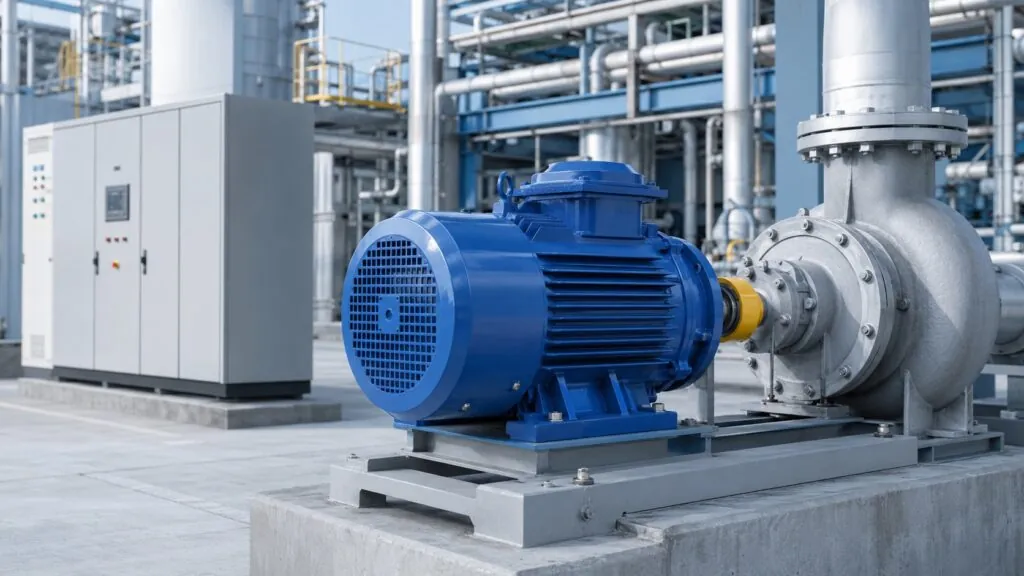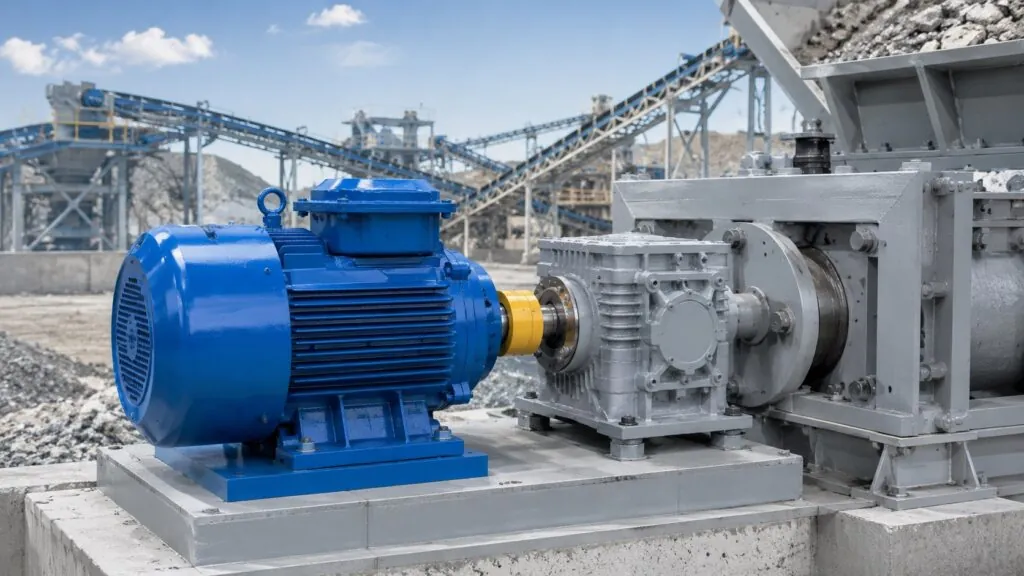




Electric motors are widely used in machinery equipment as the main drive source for rotation, conveying, lifting, compression, mixing, cutting, and continuous industrial operation. For machinery manufacturers and equipment users, a suitable motor helps improve operating stability, power transmission efficiency, and long-term equipment reliability.
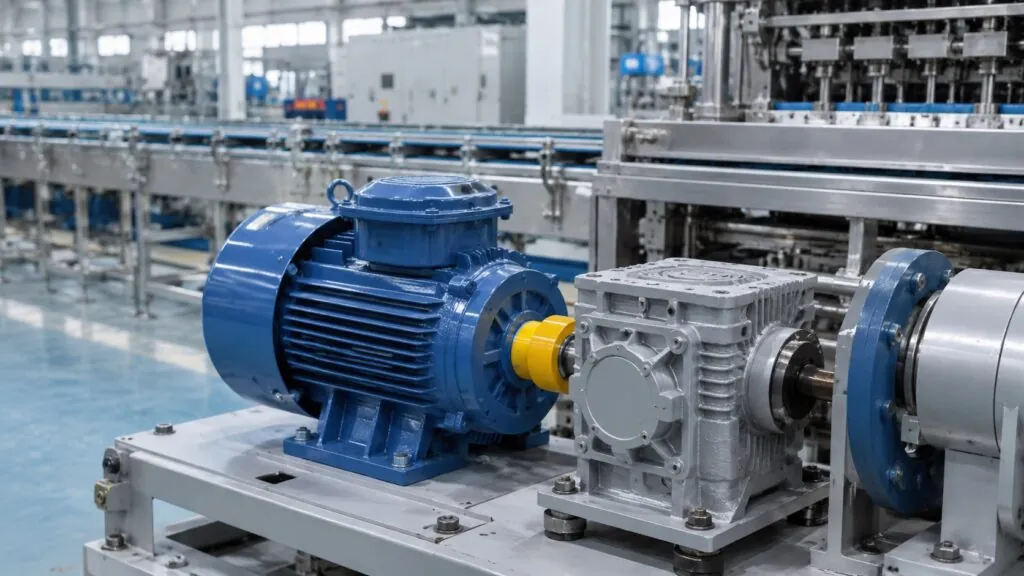
Yaoda motors can be applied to pumps, fans, compressors, conveyors, reducers, mixers, crushers, machine tools, packaging machinery, textile machinery, mining equipment, and other industrial machinery. According to different load conditions, installation structures, working environments, and duty requirements, motors can be selected by rated power, speed, voltage, frame size, mounting method, protection level, insulation class, and energy efficiency grade.
In machinery applications, motor selection should not only focus on power output. Starting torque, continuous operation capability, vibration control, heat dissipation, compatibility with gearboxes or couplings, and maintenance convenience are also important factors. A properly matched motor can reduce abnormal shutdowns, overheating, transmission problems, and unnecessary energy consumption.
For machinery OEMs, equipment manufacturers, and industrial project users, Yaoda provides electric motor solutions suitable for different mechanical drive systems, helping equipment operate safely, efficiently, and reliably under various industrial working conditions.
Motor types for machinery and equipment builders
For machine builders the motor is a purchased component that has to fit a drawing, not a catalog page. Yaoda supplies motors for OEM machinery in the following configurations:
- YE3 IE3 motors (H80–355, 0.55–315 kW for the listed models) — the standard choice for pumps, fans, compressors, conveyors and general machine drives in H80–355.
- Aluminium-housing YE3 motors in H80–180 for machines where weight has to stay low.
- YE4 IE4 motors and YE5 IE5 motors for equipment sold into markets with efficiency regulations.
- YEJ2 brake motors for machines with reversing, indexing or holding duties, and YD2 pole-changing multi-speed motors for speed steps without a VFD.
- YBX3 flameproof motors and YBVF2 explosion-proof VFD motors for hazardous-area projects, subject to the exact configuration's current certificate and nameplate marking matching the site classification.
- TYP permanent-magnet synchronous motors for fan, pump and compressor packages that are sold on energy performance.
OEM ordering information
Customisation is confirmed against drawings before batch production, so that the first article and the hundredth are identical:
- Voltage and frequency: 380 / 400 / 415 / 440 / 660 V, 50 or 60 Hz
- Shaft extension, keyway, flange and overall dimensions to customer drawings
- Terminal box position, cable entry direction, and lead length
- Nameplate content, ratings display and OEM brand marking
- Paint colour, packing (carton, pallet or crate) and shipping marks
- Routine test report with each batch; type test reports for project approval
Frequently asked questions
Can Yaoda match the mounting dimensions of an existing machine?
Yes. Send the frame size, shaft and flange drawing (or the old nameplate) with the enquiry. B3, B5 and B35 configurations are standard, and non-standard shaft or flange dimensions can be produced to drawing.
Do you supply sample motors before series production?
Sample or trial motors can be supplied for machine validation and end-customer approval before a series order is released. Drawings and nameplate artwork are confirmed first so the sample matches the production build.
Which information is needed for a machinery motor quotation?
Power, speed or pole count, voltage and frequency, mounting, protection class, duty cycle, cable entry requirement, quantity and destination port. If the motor replaces an existing unit, the nameplate photo and a mounting drawing are the fastest route to an accurate offer.
Related reading
Motor ranges: all Yaoda motor series. Manufacturing and testing: factory environment. More application notes: industrial applications and how to evaluate a motor manufacturer.