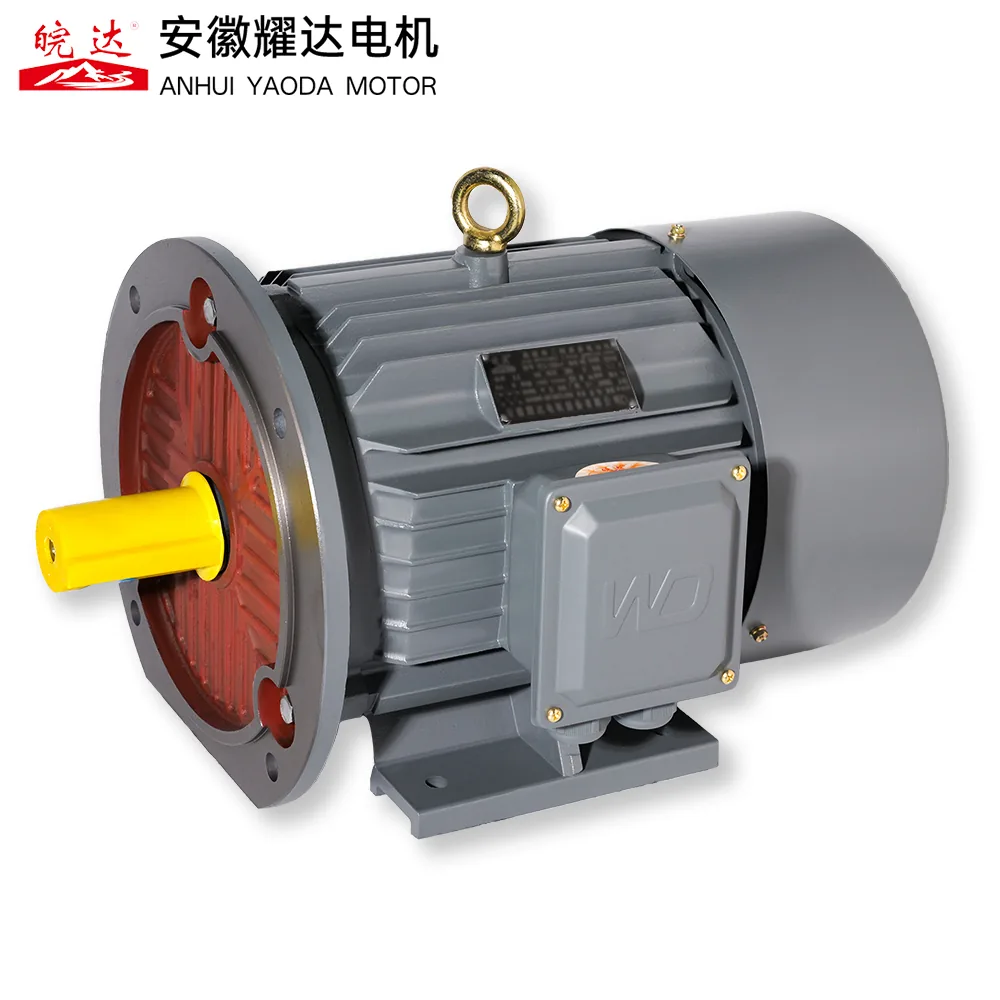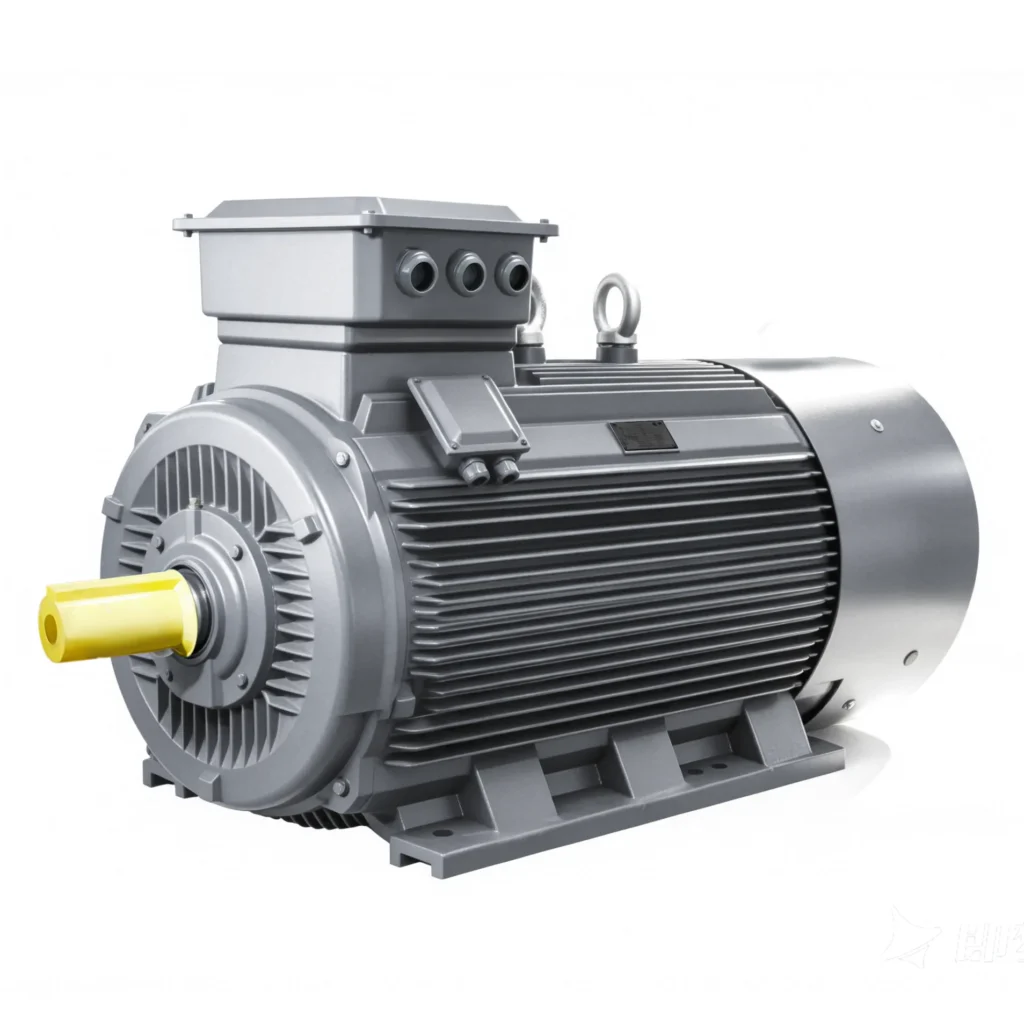






Chinese three-phase asynchronous motors can be a practical sourcing option for projects in Russia, but suitability depends on the exact application and compliance requirements. Buyers should compare technical specifications, operating environment, documentation, delivery terms and after-sales support rather than relying on country-of-origin or price claims alone.
Start with the motor specification: output power, voltage, frequency, pole count, rated speed, frame size, mounting, shaft dimensions, duty, protection class, insulation class and efficiency level. A quotation is only comparable when these items match. For replacement projects, provide the existing nameplate and dimensional drawing so the proposed motor can be checked against the installed equipment.
Cold-climate and outdoor applications require model-specific confirmation. Ambient-temperature range, low-temperature starting performance, lubricant, seals, cable entries, enclosure protection, condensation control and space-heater requirements should be agreed before production. Ratings such as -40 °C, IP55 or IP66 should be stated only when they are supported by the selected model's technical documentation and test scope.
Compliance must also be confirmed for the actual product and route to market. Depending on the motor and application, relevant Eurasian Economic Union requirements may include technical regulations on low-voltage equipment, electromagnetic compatibility, machinery, explosive atmospheres and energy efficiency. The buyer and supplier should agree which EAC conformity documents, Russian-language manuals, nameplate information and test reports are required before shipment. For current requirements, consult the adopted technical regulations published by the Eurasian Economic Commission.
Delivery time and service capability should be verified with evidence for the specific order. Ask for a production schedule, packaging method, Incoterms, transport route, spare-parts plan, warranty procedure and named technical contact. Rail, road and sea options can have different lead times and costs, so universal claims about percentage savings or delivery-time reductions should be avoided unless supported by a current quotation.
A reliable supplier should provide model-level data and clarify exceptions before the order is placed. For Yaoda motors, buyers can submit the required power, voltage, frequency, mounting, application, ambient conditions, quantity and destination for technical review. The final selection should be based on verified specifications, applicable conformity requirements and written commercial terms.