





Choosing an IE3 or IE4 Motor Manufacturer in China: A Practical Guide for Industrial Buyers
Choosing an IE3 or IE4 motor manufacturer in China usually starts with an efficiency requirement, but it should not end there. A buyer may ask for a 15 kW IE3 motor, receive several quotations and find that every supplier appears to offer the same thing. In practice, the proposed motors may differ in frame size, rated speed, mounting arrangement, shaft dimensions, voltage, terminal-box position and suitability for the driven equipment.
Those differences matter more than a small gap in unit price when the motor is going into a pump skid, compressor package, conveyor, fan system or OEM machine. For industrial buyers, a useful supplier comparison has two parts: can the manufacturer offer the right IE3 or IE4 motor range, and can it control and verify the manufacturing details that affect installation and long-term operation?
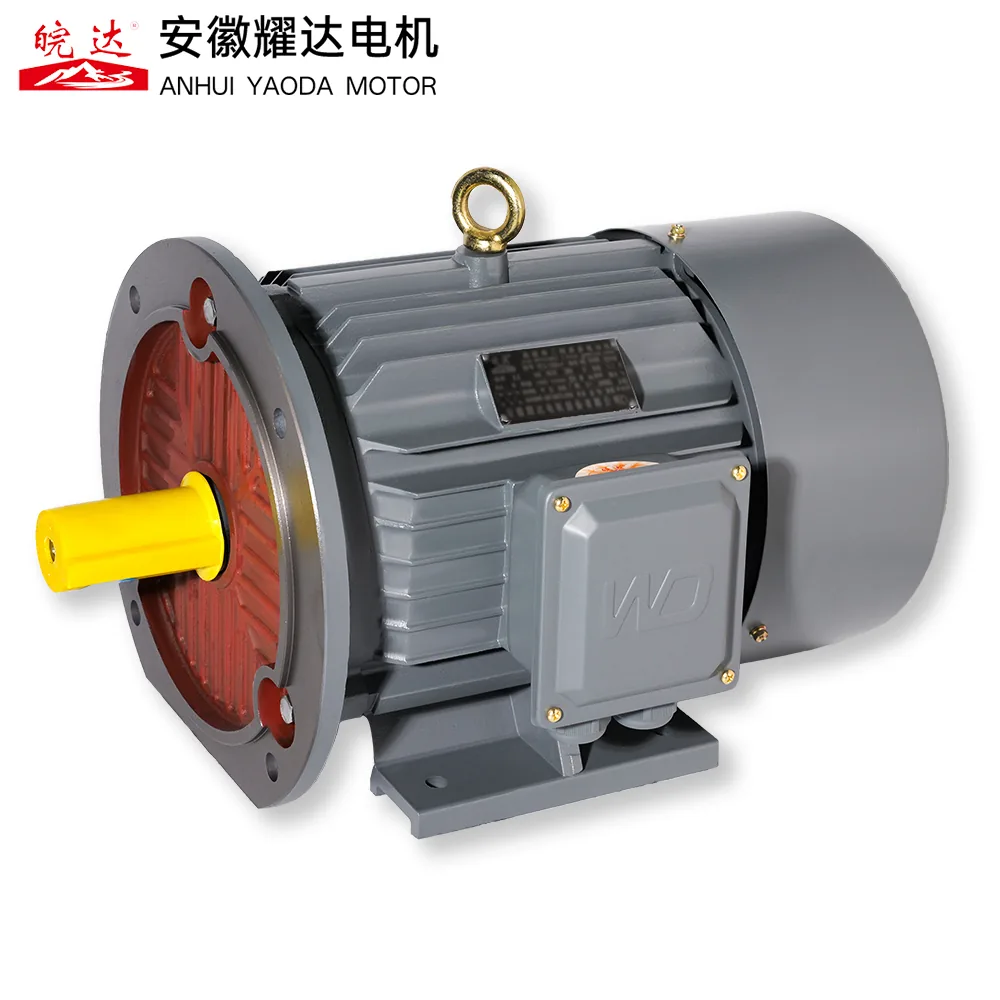
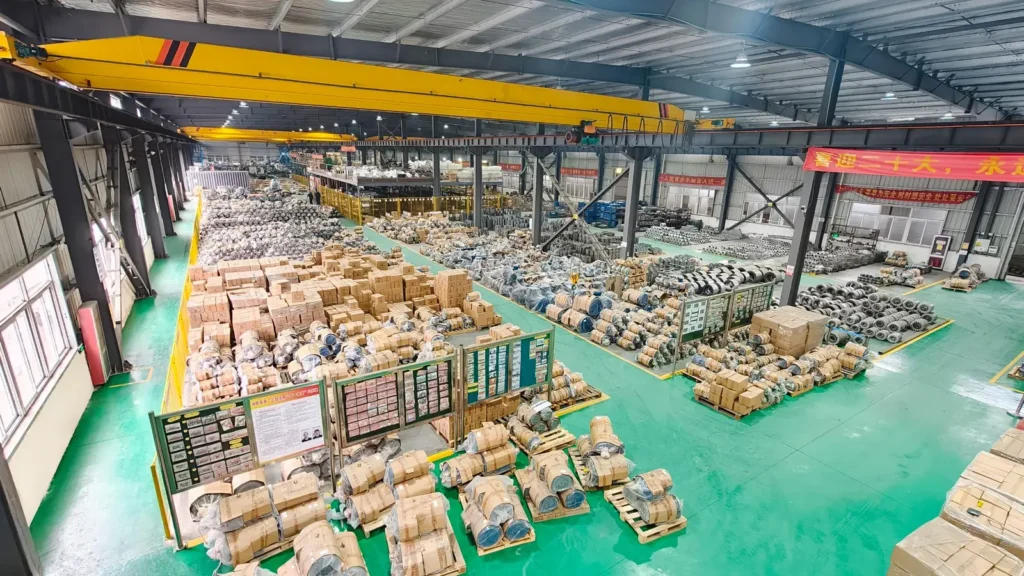
At Anhui Yaoda Motor, those two questions are closely connected. The current product range covers standard high-efficiency YE3 motors, IE4 motors, aluminum-housing configurations and larger low-voltage high-power models, while the published factory workflow extends from component machining and stator processing to assembly and motor testing.
IE3 or IE4: The Short Buying Answer
IE3 is often the practical choice for general industrial machinery, standard OEM equipment and replacement projects where compatibility and acquisition cost matter. IE4 deserves closer evaluation when annual operating hours are high, lifecycle energy cost is significant, or the end customer explicitly requires a higher efficiency class. In both cases, the final decision still depends on power, speed, frame size, mounting, voltage, duty and the driven equipment.
| Project Condition | IE3 | IE4 |
| General industrial machinery | Often suitable | Optional or project-driven |
| Continuous-duty pump | Suitable | Strong candidate |
| Industrial fan | Suitable | Strong candidate |
| Compressor | Common choice | Worth evaluating |
| Replacement motor | Often practical | Check compatibility carefully |
| Energy retrofit | Possible | Often preferred |
Start with the Application, Not Just “IE3 or IE4”
IE3 and IE4 describe efficiency classes. They do not provide a complete motor specification. Before comparing manufacturers, a buyer should normally know most of the following:
| Item | Typical Question |
| Output power | What kW is actually required? |
| Voltage | 380 V, 400 V, 415 V or another requirement? |
| Frequency | 50 Hz or 60 Hz? |
| Pole count | 2, 4, 6, 8 poles or another configuration? |
| Rated speed | What does the driven machine require? |
| Frame size | Is there an existing installation envelope? |
| Mounting | Foot, flange or combined arrangement? |
| Shaft | Are diameter and extension dimensions fixed? |
| Duty | Continuous or application-specific operation? |
| Starting method | DOL, soft starter or VFD? |
| Application | Pump, fan, compressor, conveyor or other equipment? |
This is particularly important in replacement projects. A nameplate showing “15 kW, IE3” is useful, but it may still be insufficient to release a replacement motor for production. Shaft extension, mounting dimensions and actual speed can determine whether the new motor fits without modifying the machine.
Where IE3 Still Makes Practical Sense
IE3 remains a logical choice for a wide range of industrial equipment. For general machinery, many buyers are looking for a proven high-efficiency configuration without redesigning the complete drive arrangement. Typical projects include pumps, industrial fans, compressors, conveyors, machine tools, process equipment and OEM machinery.
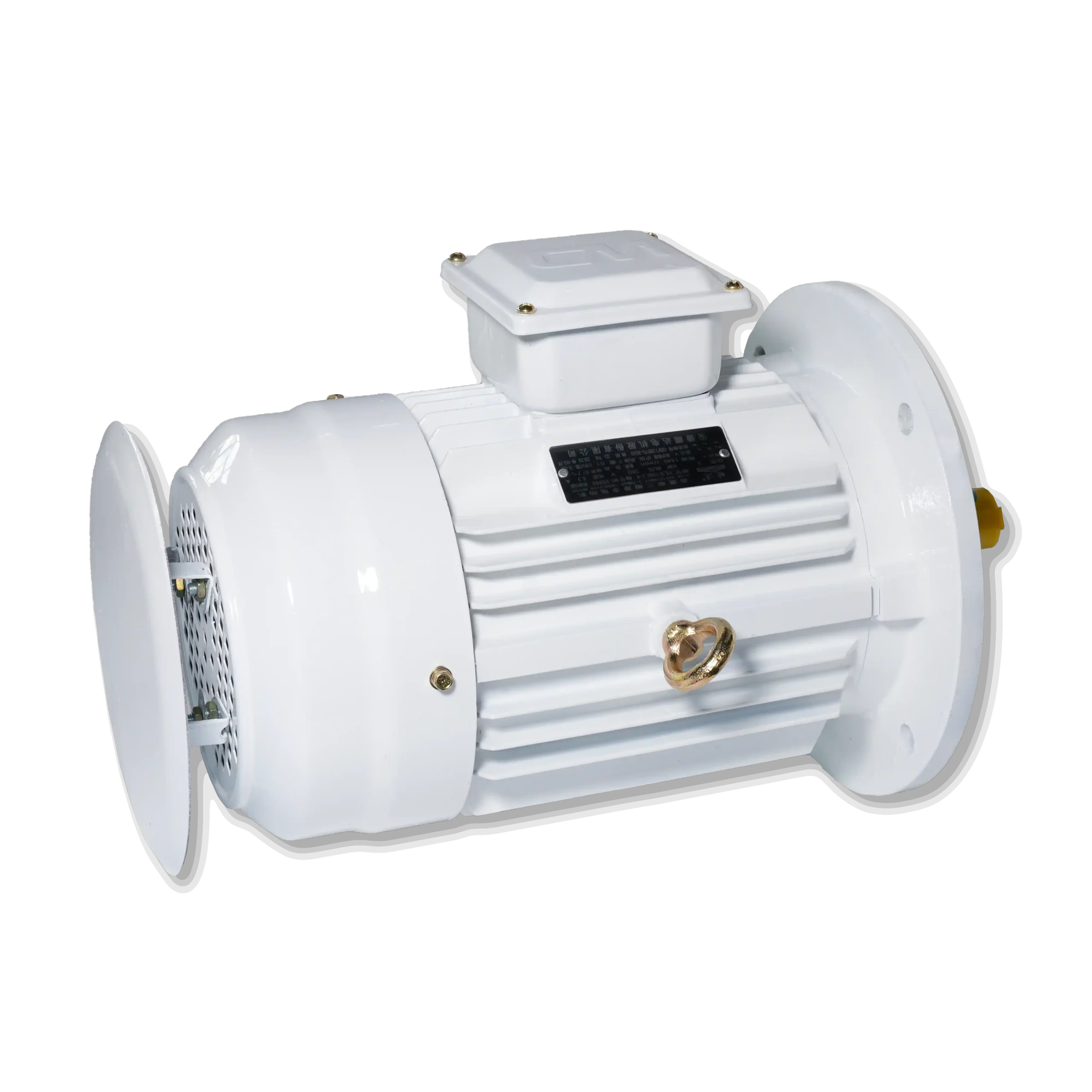
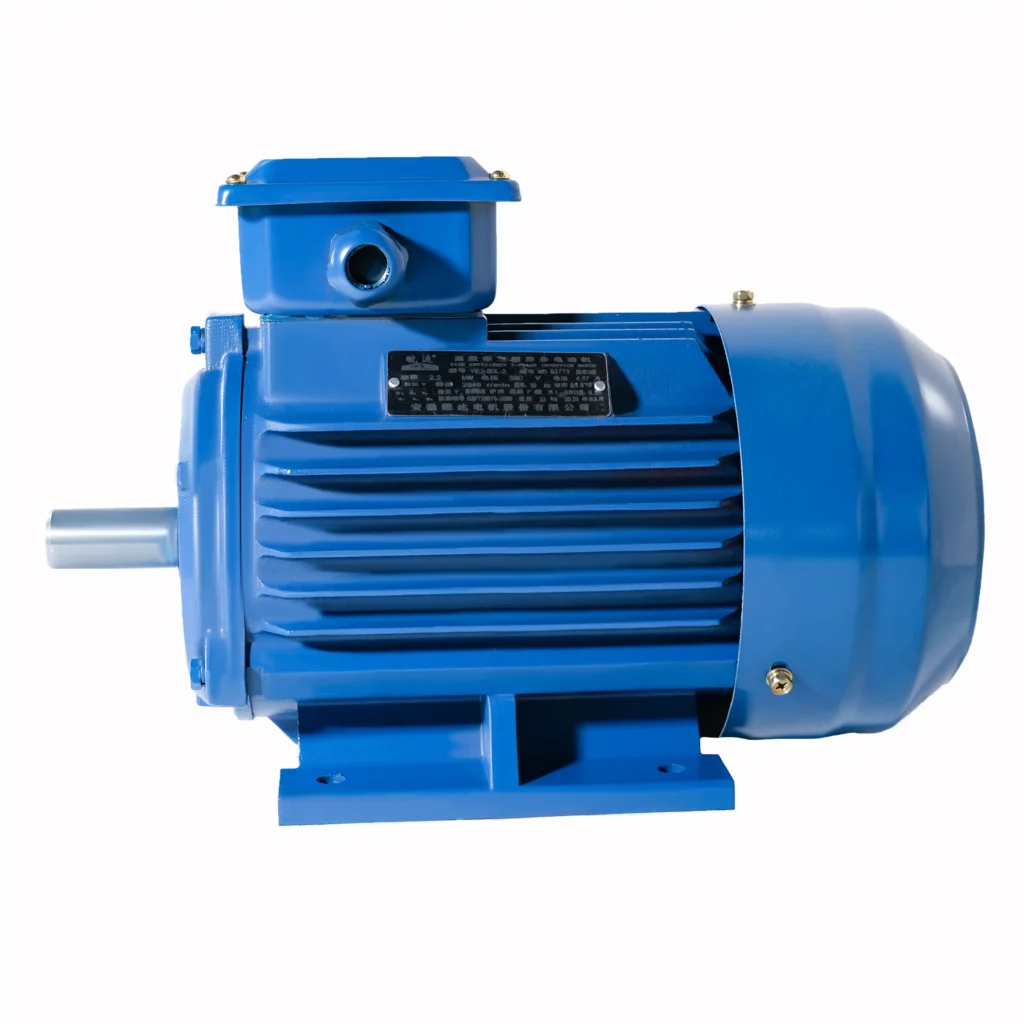
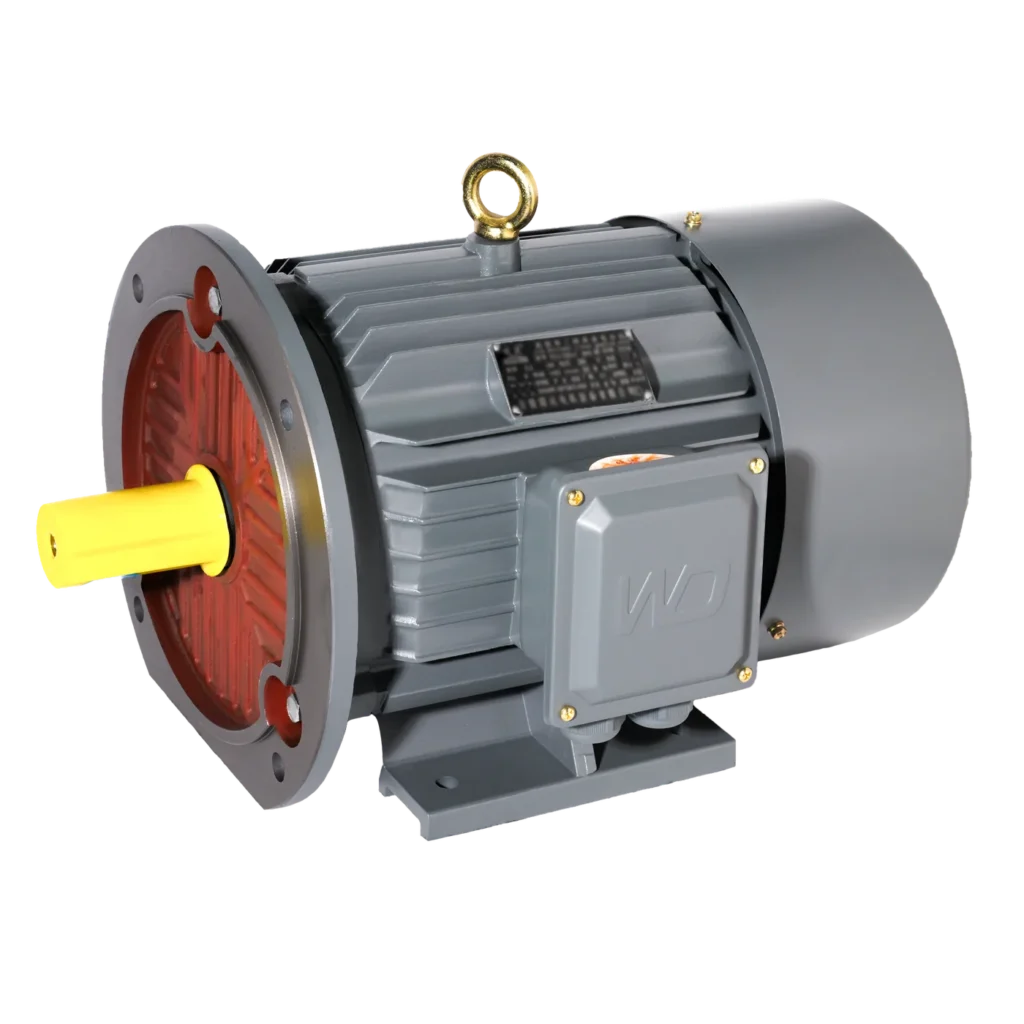
Yaoda's YE3 H80–355 High-Efficiency Three-Phase Asynchronous Motor is the broadest starting point in the current range for this type of requirement.
A compact machine builder may have different housing and layout priorities from a heavy industrial plant. Yaoda therefore also offers a YE3 H80–180 Aluminum Housing Three-Phase Asynchronous Motor.
At the other end of the range, larger industrial applications should not be treated as simply “a bigger version” of a small motor. Yaoda's YE3 H355–450 Low-Voltage High-Power Three-Phase Induction Motor is intended for heavier industrial requirements where installation planning, current, starting, foundation interfaces, coupling and documentation become more important.
When IE4 Deserves Closer Evaluation
IE4 becomes more interesting when the motor operates for long periods and electricity consumption carries significant lifecycle cost. Typical examples include continuously operated pumps, ventilation systems, process fans, compressors, multi-shift production machinery and energy retrofit programs.
Yaoda's relevant range is the YE4 H80–355 Ultra-High Efficiency Three-Phase Induction Motor. The useful question is not simply whether IE4 is more efficient than IE3. It is whether the operating profile justifies IE4 and whether the proposed motor can be integrated into the equipment correctly.
Consider two plants buying a motor with the same nominal output. One unit may run only occasionally as backup equipment. The other may operate across multiple shifts for most of the year. The second project gives energy consumption far greater weight in the purchasing decision. This is why buyers should be cautious with universal claims such as “IE4 pays back in X years.” A meaningful comparison needs actual operating hours, load profile, electricity cost and relevant motor performance data.
A Better Way to Compare the Yaoda Motor Ranges
| Project Requirement | Relevant Yaoda Range |
| General industrial IE3 drive | YE3 H80–355 |
| Smaller aluminum-housing configuration | YE3 H80–180 Aluminum Housing |
| Larger low-voltage high-power drive | YE3 H355–450 |
| Project with an IE4 efficiency target | YE4 H80–355 |
The most practical way to review the current Yaoda portfolio is by project requirement rather than product name alone. A machine builder may care about physical layout and housing construction. A replacement buyer may care first about dimensions. A heavy-industry project may need a much larger frame and power range. An energy-focused project may put IE4 at the top of the specification. The full selection can be reviewed in Yaoda's industrial electric motor product range.
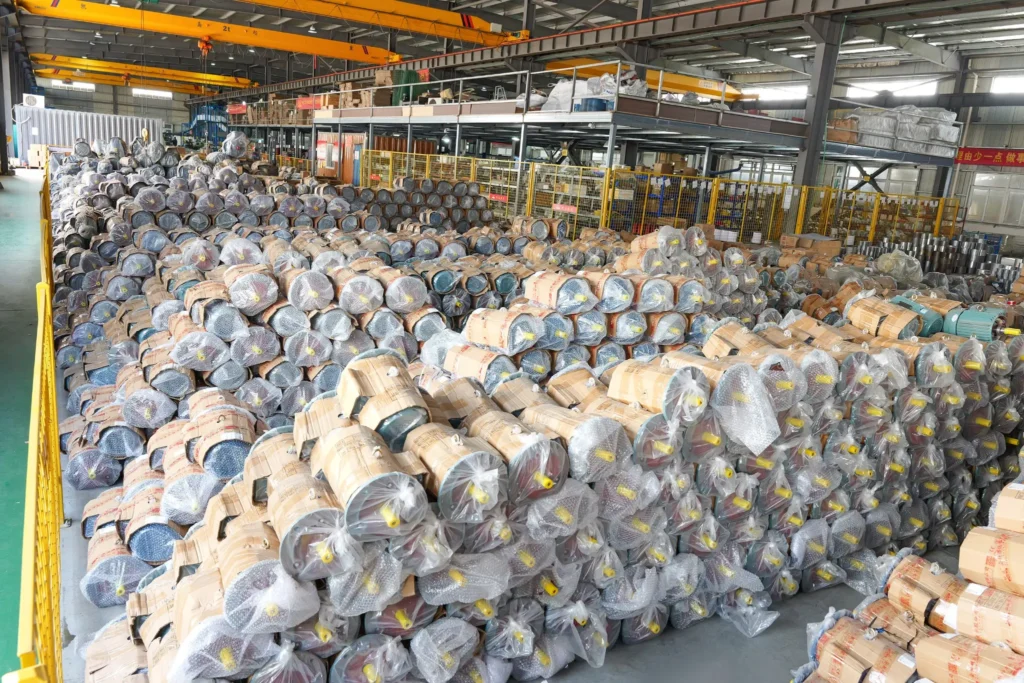
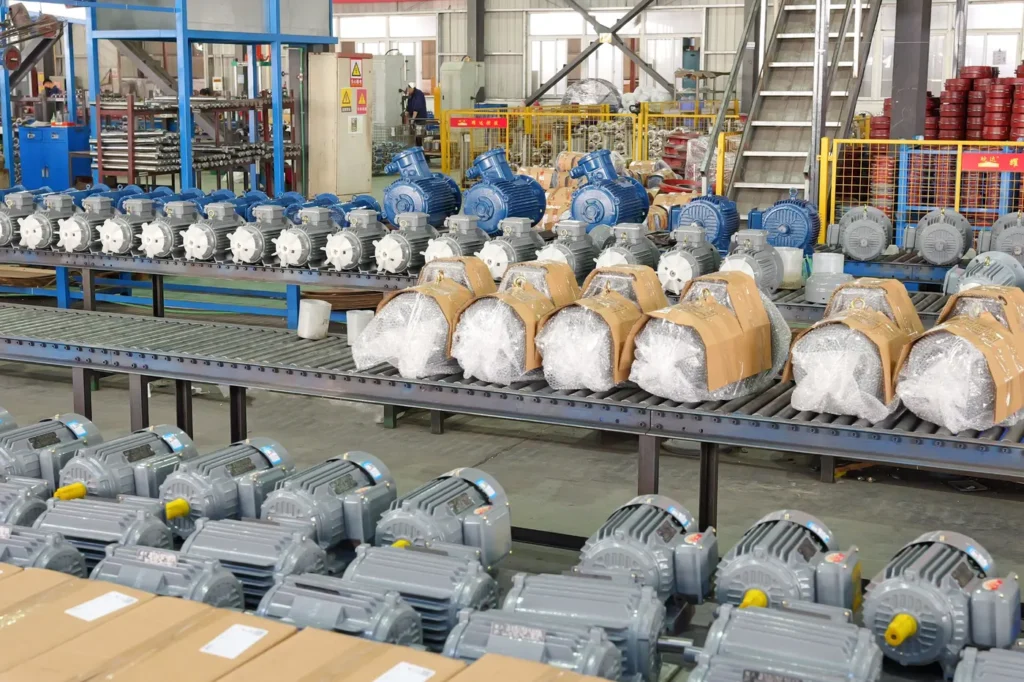
What Should Buyers Look for Inside the Factory?
Many supplier guides tell buyers to check quality, technology and experience without explaining what that means in actual motor production. A better starting point is the manufacturing sequence.
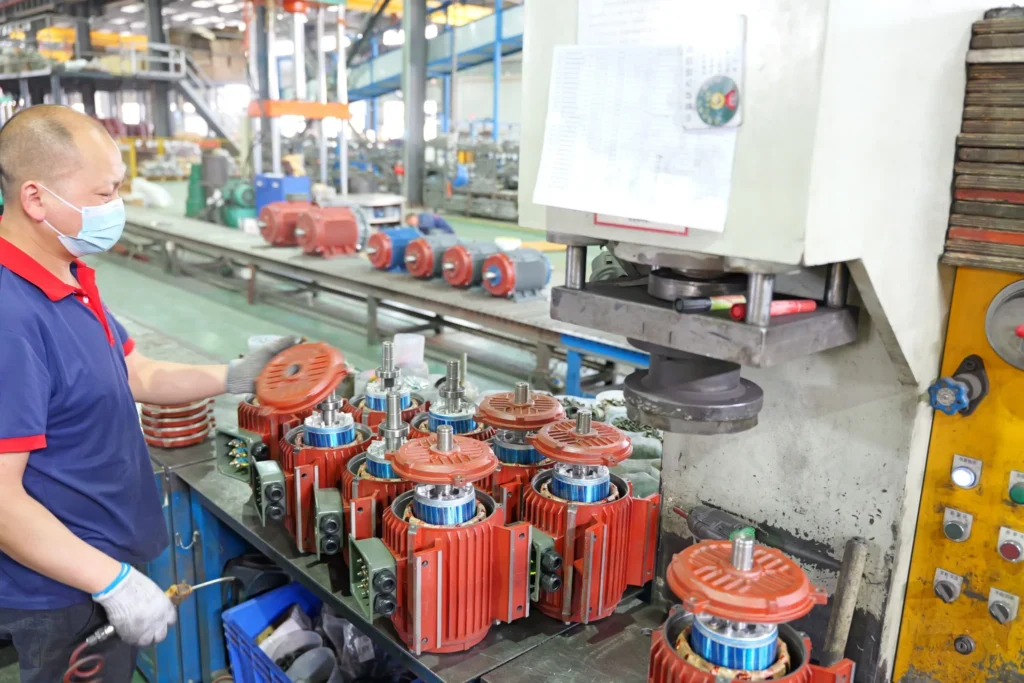
Yaoda's published motor factory workflow includes casing and structural-component processing, CNC machining, stator winding and wire embedding, insulation treatment, assembly, performance testing, finished-motor preparation and packaging.
Precision machining is not a background detail
Motor frames, end covers, shafts and bearing-related interfaces affect assembly accuracy and mechanical alignment. Yaoda states that its precision manufacturing operations include CNC turning, milling, grinding, drilling, tapping and dimensional inspection. For a buyer, this is more meaningful than a generic claim such as “advanced equipment.” Poor dimensional control may show up later as an assembly problem, a coupling issue or a difficult replacement installation.
Winding and insulation deserve more attention than they usually get
The efficiency label receives most of the marketing attention, but industrial buyers should also ask how the stator is processed. Yaoda’s published production information describes winding, coil insertion, slot-wedge installation, insulation treatment and electrical process control. The company also states that automated winding and VPI vacuum pressure impregnation are part of its manufacturing process.
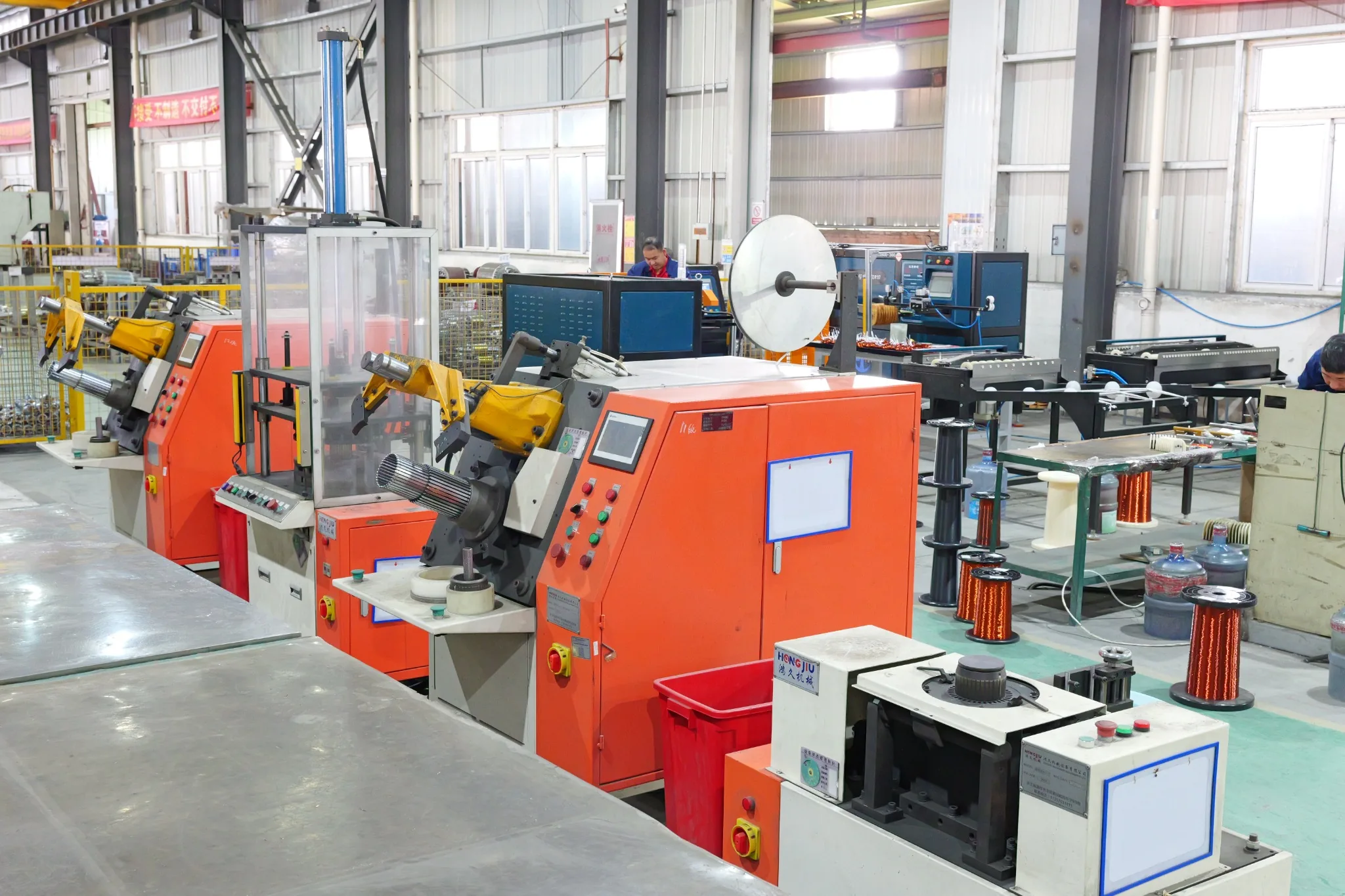
For repeat OEM orders, the question is not whether a factory owns one impressive machine. The real issue is whether the winding and insulation process can be repeated consistently across the order. Yaoda’s company history also states that further automation upgrades were introduced in 2025, including automated winding equipment, upgraded workstations and gantry automation systems.
For IE3 and IE4 Projects, Testing Capability Matters
A buyer sourcing high-efficiency motors should ask a direct question: how is motor performance verified?
Yaoda shows a dedicated Type Lab on its factory page. The published test scope includes no-load testing, load testing, temperature-rise testing, vibration and noise inspection, insulation testing, efficiency verification and power-factor testing.
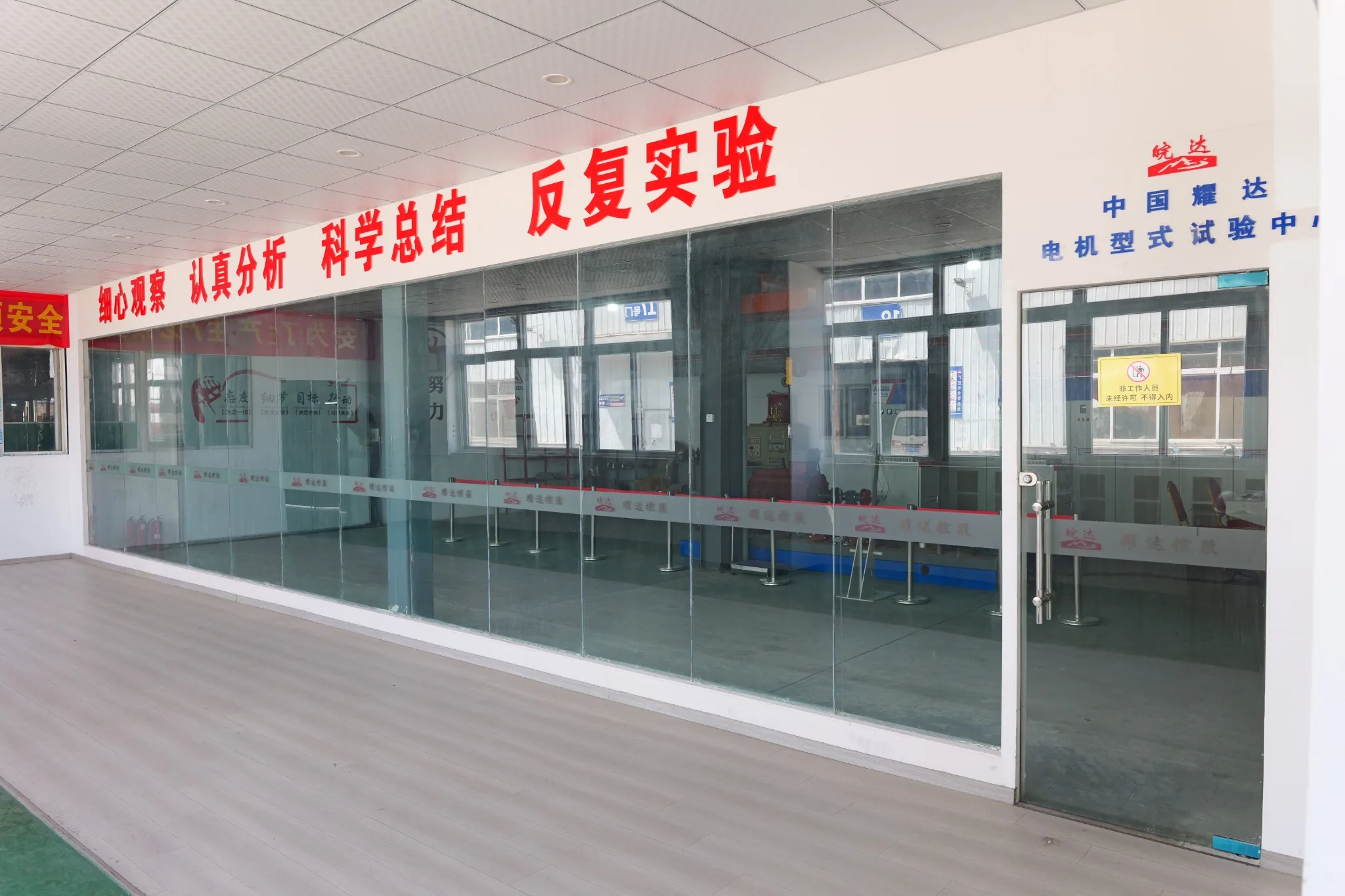
That connection is important in an IE3 or IE4 sourcing project. An efficiency designation should not be treated as a decorative catalogue term. There is still an important procurement distinction: a factory’s general testing capability does not mean every customer automatically receives every possible test report. For a specific order, the buyer should confirm which tests apply to the selected model, what inspection records are supplied, whether witness testing is needed, whether third-party inspection is required and which documents must be agreed before production.
Replacement Motors Need a Dimensional Check
One of the easiest ways to make a wrong motor purchase is to compare only kW, voltage and IE class. For a replacement motor, also check pole count, rated speed, frame designation, shaft diameter, shaft extension, foot-hole spacing, flange dimensions and terminal-box position.
An IE4 motor should not automatically be assumed to be a direct drop-in replacement for an existing IE3 motor. For replacement inquiries, a practical RFQ should include:
- a clear nameplate photograph
- the existing motor model
- a drawing if available
- shaft dimensions
- mounting dimensions
- information about the driven machine
This is where detailed product data matters more than broad marketing claims. Yaoda publishes model and installation information on relevant product pages, including its YE4 H80–355 series.
What Makes a Chinese Motor Manufacturer Easier to Work With?
For an overseas industrial buyer, manufacturing capability is only part of the supplier decision. A manufacturer is easier to work with when it can turn an incomplete inquiry into a technically clear order.
A request such as “Please quote 30 kW IE4 motor” should trigger further questions about voltage, frequency, pole count, speed, mounting, application, duty, starting method, VFD use and quantity. For an OEM project, the discussion may also include annual demand, drawing approval, labels and repeat-order consistency.
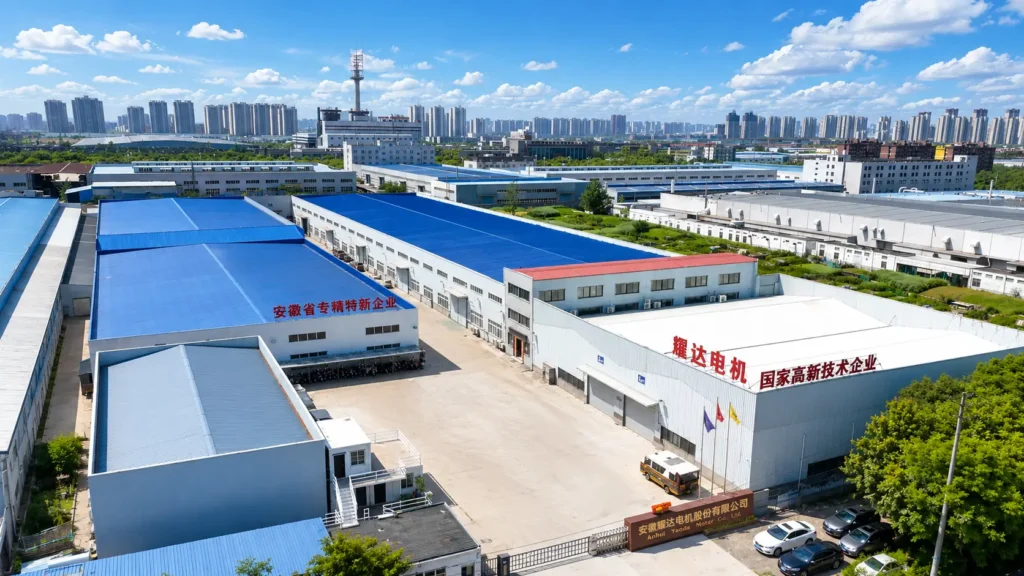
Yaoda’s About Us page states that the company was founded in 2009 and moved into a new manufacturing base of approximately 20,000 m² in 2022. It also reports more than 45 invention and utility-model patents and continued factory automation upgrades in 2025. Those facts provide useful background, but they should not replace model-level technical confirmation. A long company history does not make the wrong motor specification correct.
A Practical RFQ Format
| Required Item | Example |
| Efficiency class | IE3 or IE4 |
| Output | 15 kW |
| Voltage | 400 V |
| Frequency | 50 Hz |
| Phase | Three-phase |
| Poles | 4 |
| Mounting | B3 |
| Duty | S1 |
| Application | Centrifugal pump |
| VFD | No |
| Quantity | 20 units |
| Destination | Germany |
For a replacement order, add the old nameplate and dimensions. For a new OEM project, also provide machine drawings or interface requirements where relevant.
Example RFQ: We require 20 motors for centrifugal pump assemblies. Please compare suitable IE3 and IE4 options for 15 kW, 400 V, 50 Hz, 4-pole, B3 mounting and S1 duty. Confirm the proposed frame size, rated speed, shaft dimensions and available technical documentation.
Final Thoughts
Choosing an IE3 or IE4 motor manufacturer in China should not be reduced to a comparison of efficiency labels and FOB prices. The useful questions are practical: does the motor fit the equipment, is the correct series being proposed, can dimensions be reviewed, are winding and insulation processes controlled, can performance characteristics be verified and is the final specification clear before production?
Yaoda's current range gives buyers several distinct paths, from YE3 H80–355 high-efficiency motors and aluminum-housing YE3 motors to H355–450 high-power models and YE4 H80–355 motors.
The right starting point is therefore not simply “IE3 or IE4?” It is: “What does the equipment actually require, and which motor configuration can be verified before we place the order?”
Frequently Asked Questions
Can an IE4 motor directly replace an existing IE3 motor?
Not automatically. Output, speed, frame size, mounting dimensions, shaft configuration, voltage and the driven equipment should be checked before replacement.
Is IE4 always a better purchasing choice than IE3?
No. IE4 deserves closer evaluation where annual runtime and lifecycle energy cost are significant. IE3 can remain a practical choice for many general industrial and OEM applications.
What should I send for an IE3 or IE4 motor quotation?
Send output power, voltage, frequency, pole count or required speed, mounting, duty, application, quantity and destination. For a replacement motor, include the existing nameplate and dimensional information.
Does Yaoda manufacture different types of IE3 motors?
Yes. The current range includes a general H80–355 YE3 series, an H80–180 aluminum-housing range and an H355–450 low-voltage high-power range.
How can buyers verify whether an IE3 or IE4 motor supplier can support their project?
Ask for model-level technical data, dimensional drawings where fit matters, confirmation of voltage and frequency, the proposed testing scope and the documents available for the order. Factory capability is most useful when it can be connected to the exact motor model and application rather than presented only as a general company claim.
What is the most important information when comparing IE3 and IE4 motor quotations?
First normalize the quotations. Confirm that output power, voltage, frequency, pole count, rated speed, frame size, mounting, duty, protection requirements and application assumptions are comparable. Then review efficiency class, dimensional compatibility, testing scope, documentation and commercial terms. A lower price is not a like-for-like comparison if the proposed motor specification is different.