





Why Explosion-Proof Motors Fail Inspection: Terminal Box, Seals and Flameproof Joints
An explosion-protected motor does not lose protection only because the winding has failed. A missing fastener, a distorted joint, a replacement seal that does not match the enclosure or a terminal box closed with the wrong component can defeat the protection while leaving the motor able to run.
When an explosion-proof motor failure is reported, the first question should not be “Can the winding be repaired?” It should be “Is the protection system still complete?” The electrical fault, the enclosure condition and the installation record have to be reviewed as one failure case.
A motor may pass a visual check and still be unsuitable for continued service. The visible housing can be intact while the cable entry, internal barrier, grounding path or flameproof joint no longer performs the function shown on the certificate. For that reason, Yaoda treats an explosion-protection review as an evidence exercise, not a cosmetic inspection.
The Hazard Comes Before the Motor
Explosion protection is specific to the hazardous atmosphere and to the exact motor configuration. A gas hazard and a combustible-dust hazard are not interchangeable, and a product marked for one environment must not be transferred to another simply because the enclosure appears sealed.
The project should establish the hazardous area, the material that may be present, the required equipment group and temperature class, and the protection concept before the motor is selected. Those requirements then need to agree with the current certificate, nameplate and component marking. The appearance of a heavy enclosure is not evidence by itself.
This is also why a general-purpose motor cannot be substituted for an explosion-protected motor as a temporary repair. A lower purchase price or faster availability does not remove the ignition risk.
Where Explosion-Protected Motors Fail in Service
In service, protection is commonly compromised at interfaces rather than in the largest part of the motor. The review should therefore follow the route from the incoming cable to the winding:
- The cable gland or entry device and its seal
- The terminal-box cover, gasket and fasteners
- The terminal links, internal clearances and conductor routing
- The enclosure and the flameproof or dust-protection joints
- The grounding and bonding path
- The winding, insulation and thermal condition
A defect in any one of these areas can matter even when the motor still starts and runs. Vibration can loosen fasteners. Corrosion can change the contact surface. A cable replacement can leave the wrong sealing component. A field repair can distort a joint that was originally machined to a controlled condition.

What the Terminal Box Reveals
The terminal box often contains the clearest evidence of how the motor has been maintained. Photographs should be taken before any conductor is moved or the box is cleaned. The original routing can show whether the wiring was later modified, whether a conductor is pressed against a cover, whether barriers are present and whether the correct cable-entry components were used.
A 2025 inspection notice published by the Sichuan bureau of China’s National Mine Safety Administration described an underground installation where a terminal-box fastener was severely corroded and the internal wiring arrangement did not match the required condition. The notice treated the condition as a loss of explosion protection and a major safety hazard. The details are jurisdiction-specific, but the engineering lesson is broader: a terminal box is part of the protective enclosure, not a cover placed over ordinary wiring.
For an inspection, record:
- terminal-box model and marking;
- cover, gasket and fastener condition;
- cable-entry device, cable diameter and seal arrangement;
- terminal links and conductor routing;
- internal barriers and unused openings;
- grounding and bonding connections;
- evidence of moisture, dust, corrosion or arcing.
Flameproof Joints and Sealing Systems
Flameproof construction uses controlled paths and enclosure strength to contain an internal event and prevent transmission to the surrounding atmosphere. Dust protection relies on keeping combustible dust out and controlling surface temperature. Neither function can be judged from the outside alone.
A shallow mark on a joint is not a reason to machine the surface until it looks acceptable. Removing material can change the clearance or surface condition. The correct response depends on the protection concept, the permitted condition and the manufacturer’s instructions. Damaged parts should be replaced with the approved part or the motor should be withdrawn from service.
Seals require the same discipline. A locally cut rubber sheet, a seal from a different cable gland or a gasket with the wrong thickness is not interchangeable merely because it fits the opening. The seal must match the entry device, cable and enclosure.
| What was found | Why it matters | Information still needed |
|---|---|---|
| Corroded or missing terminal-box fasteners | The cover may no longer maintain the required sealing or mechanical condition | Original fastener specification, cover condition and corrosion source |
| Wrong cable gland, seal or unused-opening closure | The cable entry may no longer match the enclosure protection concept | Entry-device marking, cable range and approval for the installed enclosure |
| Scratched, pitted or distorted joint surface | Machining or abrasion can change the protective gap | Protection concept, permitted surface condition and manufacturer guidance |
| Loose conductors or damaged insulation | The electrical fault can produce heat, arcing or a high-resistance connection | Terminal torque method, conductor condition and winding test results |
| Broken or corroded grounding connection | The intended fault-current and static-discharge path may be incomplete | Grounding layout, conductor continuity and site acceptance criteria |
↔ Swipe or drag horizontally to view the full table.
What Can Be Replaced, and What Must Not Be Repaired
A terminal screw, cable-entry seal or damaged cover may be replaceable when the correct approved component is available. That does not mean the enclosure can be locally machined, welded, filled or modified to make a damaged part fit. The repair boundary belongs to the certified product design and the applicable installation rules.
The winding must also be assessed separately. Insulation resistance, winding resistance and evidence of overheating can show electrical damage, but those tests do not restore a compromised enclosure. Replacing the winding without correcting the entry, seal or wiring defect leaves the next failure path in place.
If the unit has been exposed to corrosion, dust accumulation, moisture or a mechanical impact, inspect the whole protective path rather than the obvious fault alone. A motor that has been moved, opened or returned to service after a long stop should not be treated as unchanged.
What a Factory Review Can Prove
When records are available, Yaoda can compare the motor with its winding specification, routine test record and original configuration. That helps answer whether the motor was supplied in the stated configuration and whether the winding condition is consistent with the reported operation.
The factory record cannot prove how the motor was installed, whether the terminal box was opened later, which cable-entry part was substituted or whether the site changed the hazardous-area classification. Field photographs, maintenance history and site measurements remain essential.
If the Motor Is Being Specified for a New Project
For a new installation, select from the hazardous area inward. Confirm whether the risk is from gas or combustible dust, then match the protection concept, equipment group, temperature class, enclosure, cable entry and supply conditions to the exact ordered motor.
The application also affects the mechanical specification. Dust accumulation, outdoor moisture, corrosion, starting frequency, load and ambient temperature can require a different enclosure or operating limit. Two motors with the same power and frame are not automatically interchangeable in a hazardous area.
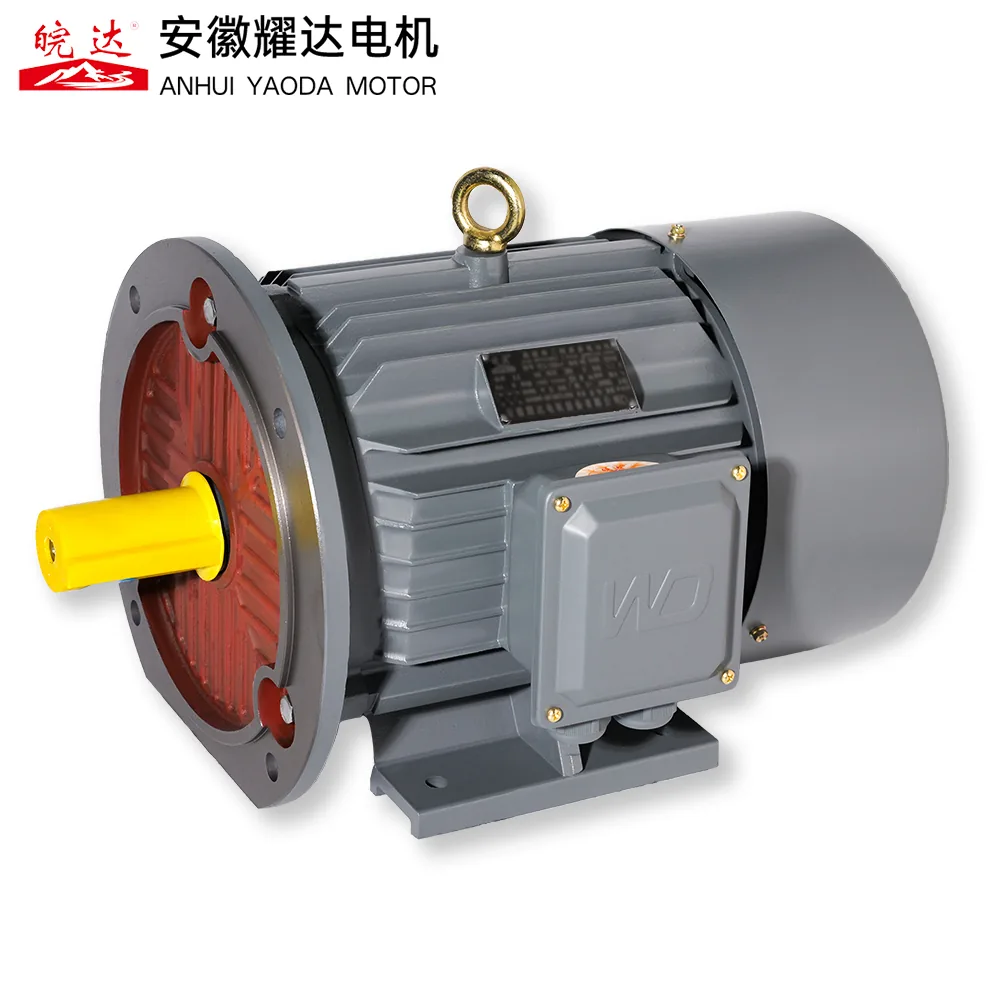
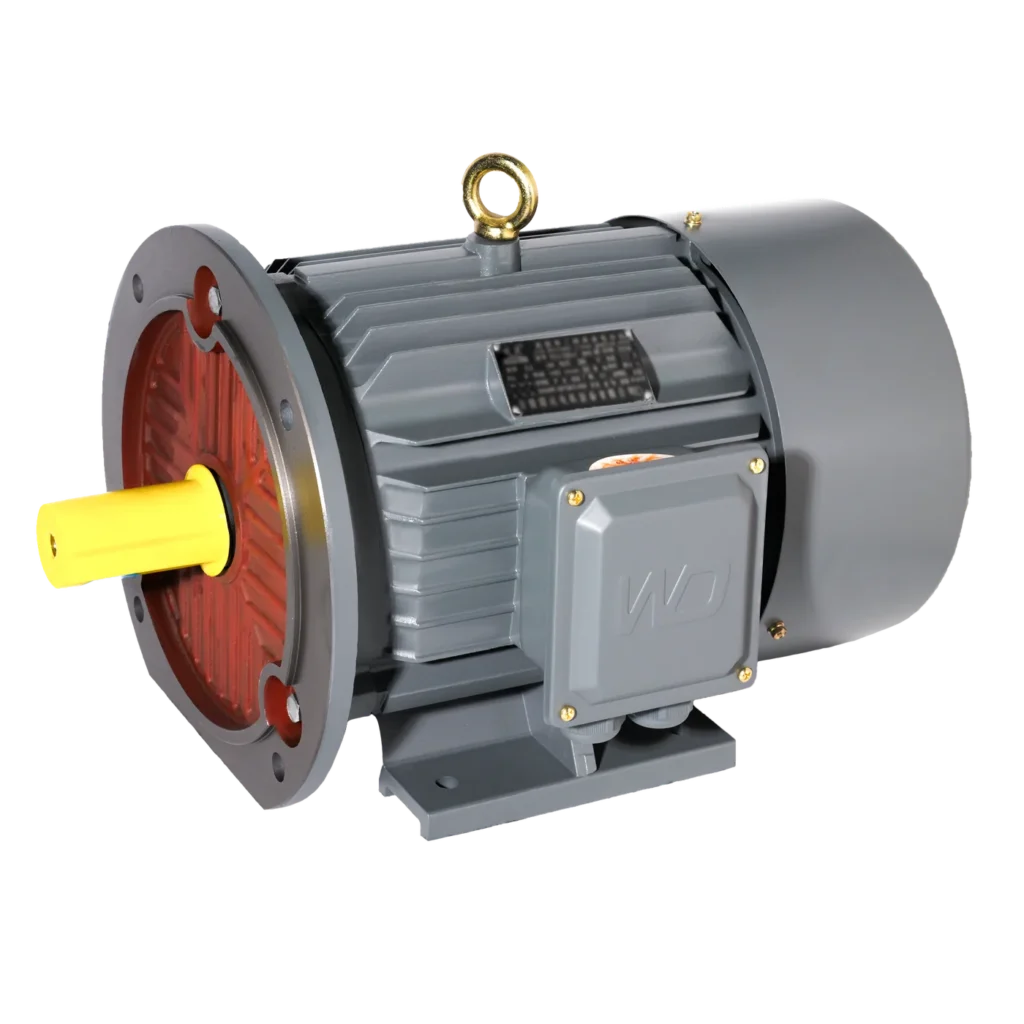
Yaoda’s YBX3 flameproof motor range covers industrial gas-hazard applications, while the YFBX3 dust explosion-proof motor and YFBX4 flameproof and dust explosion-proof motor address different dust and combined application requirements. For a product-level overview of the YBX3 construction and IE3 application, see the YBX3 IE3 flameproof motor article. The final selection must be checked against the current certificate and nameplate for the ordered configuration.
Have Yaoda Review the Motor and Installation Evidence
Send the motor marking, certificate reference, terminal-box photos, cable-entry details, operating environment and the failure sequence together. The review can then separate winding damage, enclosure damage and installation defects before a repair or replacement decision is made.