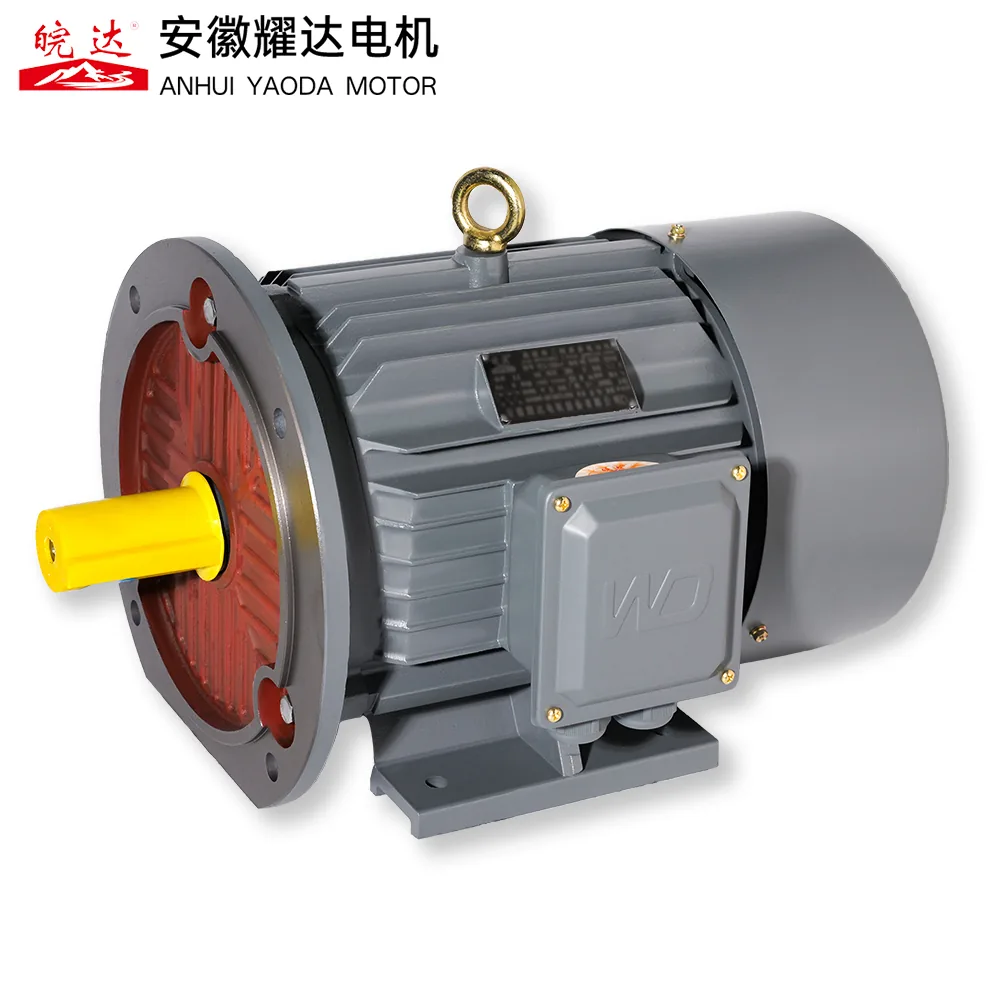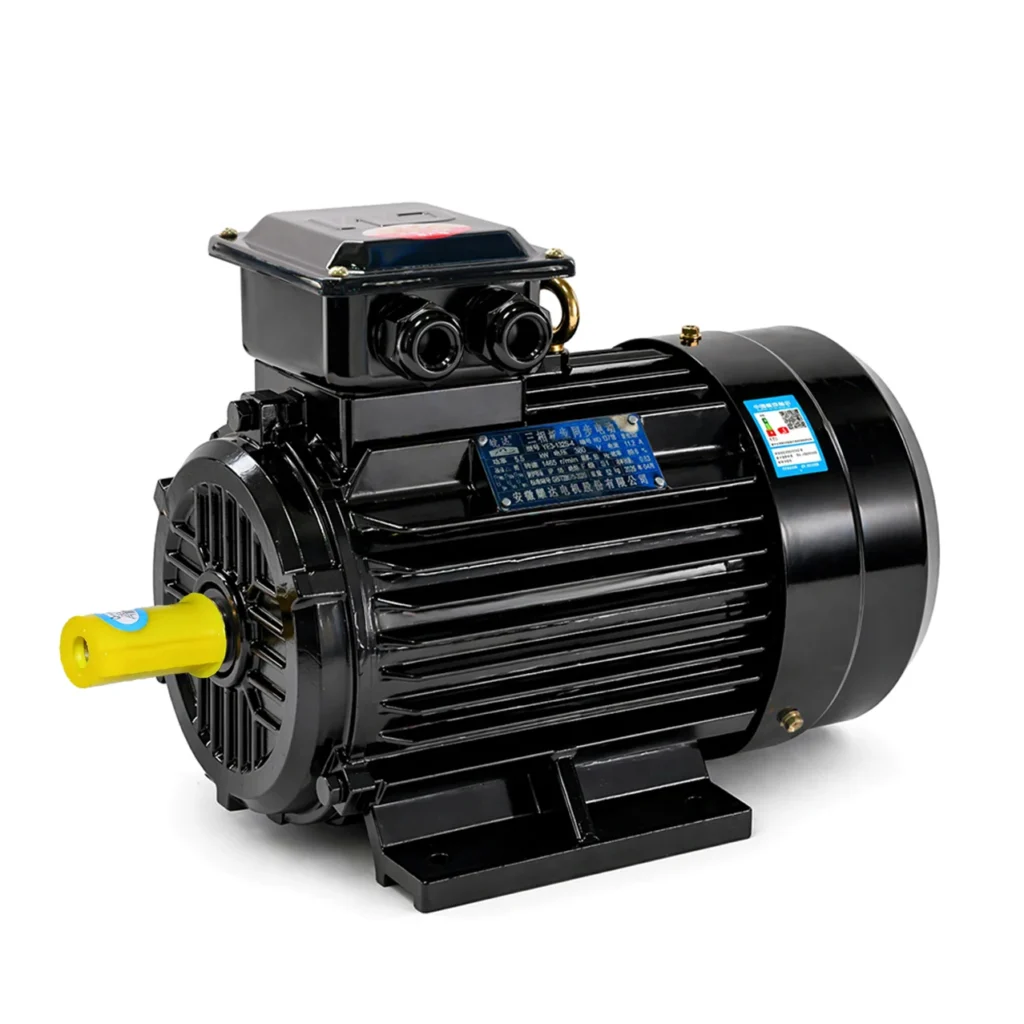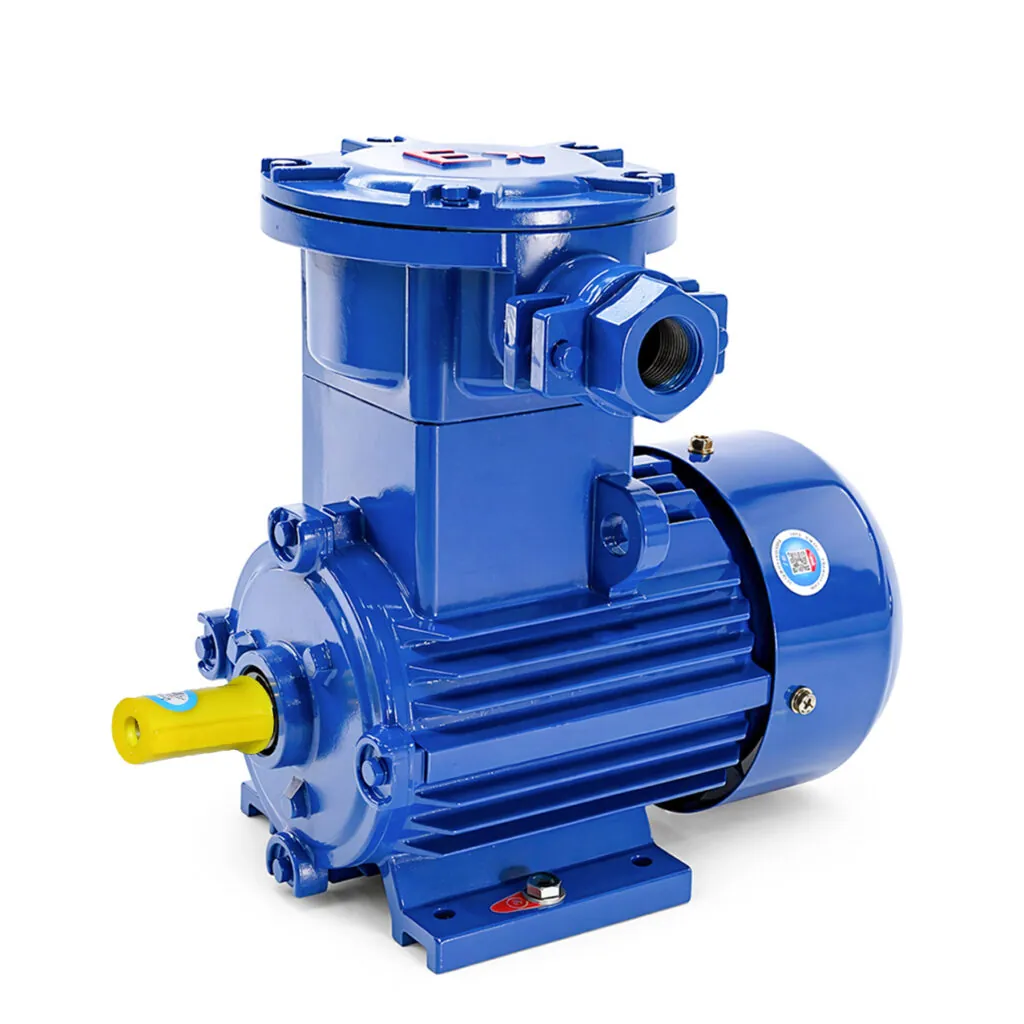




When replacing a three phase induction motor, matching the original kW rating is not enough. A motor with the same output power but a different pole count or rated RPM can change the operating speed of the driven equipment, affect available shaft torque and create mechanical compatibility problems.
For OEM machinery and replacement projects, we recommend checking three values first: the required shaft RPM, the supply frequency and the original motor's rated speed. These determine whether the proposed motor can maintain the intended equipment operating point.
2-Pole vs 4-Pole vs 6-Pole vs 8-Pole Motor RPM
The number of magnetic poles determines the synchronous speed of an AC motor at a given frequency. The reference values below are useful when reviewing motor specifications.
| Pole Count | 50Hz Synchronous Speed | 60Hz Synchronous Speed |
|---|---|---|
| 2 poles | 3000 RPM | 3600 RPM |
| 4 poles | 1500 RPM | 1800 RPM |
| 6 poles | 1000 RPM | 1200 RPM |
| 8 poles | 750 RPM | 900 RPM |
| 10 poles | 600 RPM | 720 RPM |
These figures are not the actual full-load speeds of induction motors. An induction motor operates below synchronous speed because of slip. The rated RPM must therefore be checked in the manufacturer's performance table or on the motor nameplate.
What Yaoda YE3 Motor Data Shows About Actual RPM
Our YE3 H80–355 series includes different pole configurations for fixed-speed industrial equipment. The following examples are taken from published 50Hz performance data.
| YE3 Model | Power | Poles | Rated RPM |
|---|---|---|---|
| YE3-100L-2 | 3 kW | 2 | 2900 |
| YE3-100L2-4 | 3 kW | 4 | 1445 |
| YE3-225M-6 | 30 kW | 6 | 985 |
| YE3-225M-8 | 22 kW | 8 | 730 |
The first two models have the same rated output of 3 kW but substantially different rated speeds. They are not direct substitutes merely because their power ratings match.
At equal output power, a lower shaft speed corresponds to higher rated torque. However, this does not mean a lower-speed motor can automatically replace a higher-speed unit. The driven machine and transmission must be designed for the new operating speed.


50Hz vs 60Hz Motors: Why Frequency Matters in Replacement Orders
Changing from 50Hz to 60Hz increases synchronous speed by 20% when the pole count remains unchanged. For example, a 4-pole motor has a synchronous speed of 1500 RPM at 50Hz and 1800 RPM at 60Hz.
The actual rated speeds will be lower and depend on motor design and load. A 50Hz motor should not automatically be approved for 60Hz operation without checking its electrical rating and the driven equipment.
Three conditions require particular attention:
- Voltage: Confirm the motor is rated for the proposed voltage and frequency combination.
- Mechanical speed: Check whether the equipment, coupling, bearings and transmission can operate at the resulting RPM.
- Load: Determine whether the higher speed changes the required power or torque beyond the motor's rating.
For centrifugal pumps and fans, a speed increase can significantly raise power demand under applicable system conditions. For conveyors and geared machinery, the resulting line speed or output-shaft RPM may no longer match production requirements.
Yaoda supports 50Hz and 60Hz motor configurations for export orders. The final electrical and mechanical ratings should be confirmed before production.
How to Match Motor RPM When Replacing an Existing Motor
When the original motor is unavailable or its model has been discontinued, the replacement specification should be built from the equipment requirements rather than from the power rating alone.
Check the following:
- Original rated power and nameplate RPM
- Supply voltage and frequency
- Original pole count, if available
- Required driven-equipment speed
- Gearbox ratio or belt transmission ratio
- Mounting arrangement and shaft dimensions
- Required operating torque and starting conditions
Example: Replacing a 4-Pole Motor With a 2-Pole Motor
Consider a machine originally designed around a 4-pole induction motor operating near 1480 RPM at 50Hz.
Installing a 2-pole motor rated near 2970 RPM would approximately double the motor shaft speed. If the original gearbox ratio remained unchanged, the driven-equipment speed would also increase substantially.
The new motor might have the correct kW rating, but the equipment could operate outside its intended speed range.
Before changing pole count, verify whether the transmission can be redesigned and whether the equipment can tolerate the revised speed and torque.
When a Single Fixed RPM Is Not Enough
Some industrial machines require more than one operating speed. The first question is whether the equipment needs two or more predetermined speeds or continuously adjustable speed.
For equipment operating at defined speed steps, our YD2 H80–315 pole-changing multi-speed motor series offers two-, three- and four-speed configurations. The required pole combinations and power ratings at each speed must be matched to the machine.
For continuously adjustable operation, the motor and control requirements are different. We have covered that subject separately in our variable speed electric motor selection guide, including load characteristics, torque requirements and YVF2/YVF3 applications.
The distinction matters because a pole-changing motor should not be specified as though it provides continuous speed adjustment.
Common Motor RPM Questions
Is a 1500 RPM motor always a 4-pole motor?
At 50Hz, 1500 RPM is the synchronous speed of a 4-pole motor. A standard induction motor normally has a lower rated RPM under load. Confirm the actual value from its nameplate.
Can I replace a 1450 RPM motor with a 1470 RPM motor?
Possibly, but the decision depends on the driven equipment's allowable speed range, torque requirements, voltage, mounting and mechanical compatibility. The difference should not be ignored for speed-sensitive equipment.
Does a lower RPM mean a more powerful motor?
No. RPM and rated power are separate specifications. At the same mechanical output power, lower speed means higher shaft torque, but it does not indicate a higher kW rating.
Confirm the Required RPM Before Ordering
For fixed-speed industrial machinery, our YE3 induction motor series provides multiple pole configurations. Where equipment requires several defined speeds, our YD2 pole-changing series may be appropriate.
For replacement projects, provide the original nameplate, supply frequency, required shaft speed, driven equipment and mechanical dimensions. We can review the motor configuration against the existing installation before quotation.
Need to Match Motor RPM for Your Equipment?
Send us the original motor specifications and required operating speed for model selection and quotation.