



When a three phase induction motor develops repeated protection trips, phase-current imbalance, winding overheating or loss of torque, repairing the damaged winding is only part of the job. For OEM machinery and industrial equipment, the more important question is why the winding failed and whether the same operating condition will damage the repaired or replacement motor again.
Two electrical failures deserve particular attention: stator winding-to-ground faults and winding short circuits. Both can stop a motor, but they require different measurements and root-cause checks before deciding whether to repair, rewind or replace it.
This is the deep-dive guide for stator winding failure. Use it after the initial electrical checks have narrowed the problem to the winding. If you still need the wider plant-level sequence for supply voltage, terminals, phase current, protection trips and the first repair-or-replace screen, start with our three-phase induction motor electrical fault troubleshooting guide.
Start With the Operating Data, Not the Burned Winding
A burned winding shows where the failure ended, not necessarily where it started. Before dismantling the motor, check the available operating data:
- phase currents and line voltage;
- protection relay or VFD fault history;
- actual driven load and starting frequency;
- operating hours and duty cycle;
- ambient temperature and ventilation;
- moisture, conductive dust, oil or other contamination.
This helps distinguish an isolated winding defect from overload, supply imbalance, poor cooling or an unsuitable operating duty.
Stator Winding-to-Ground Fault: Confirm the Insulation Condition
A ground fault develops when the winding insulation can no longer maintain adequate isolation from the motor frame or stator core. Carbonization, damaged slot insulation and localized burning may be visible, but the fault can also be located inside a stator slot.
After the motor has been safely isolated, insulation resistance testing provides an initial assessment of winding-to-ground condition. The Electrical Apparatus Service Association (EASA) identifies insulation resistance testing as an important initial test when evaluating AC motor windings.
Do not treat one resistance value as the entire diagnosis. Temperature, moisture, contamination and insulation condition affect the result. If previous measurements are available, deterioration under comparable test conditions can provide useful evidence.
If insulation resistance is poor, investigate the cause before repairing the winding: moisture, conductive contamination, damaged slot insulation, conductor movement, localized overheating and long-term thermal ageing all require different corrective actions.
Winding Short Circuit: Current Imbalance Is a Clue, Not Proof
A winding short circuit may develop between turns, coils or phases. Typical symptoms include excessive current, unequal phase currents, localized heating, reduced torque, protection trips and, in severe cases, failure to start.
These symptoms do not automatically prove a motor winding short circuit. Supply imbalance and poor terminal connections can produce similar operating symptoms.
With the motor isolated and winding connections correctly identified, phase-resistance comparison can help locate an abnormal circuit. However, resistance testing alone cannot identify every turn-to-turn fault.
For motors being assessed by a qualified service facility, further testing may be appropriate. EASA's guidance on electrical testing of three-phase motors includes insulation resistance, polarization index, lead-to-lead resistance and surge testing.

Why Did the Winding Fail?
| Failure Pattern | What to Check |
|---|---|
| General winding overheating | Actual load, current, ambient temperature, ventilation and motor sizing |
| One phase severely damaged | Supply balance, terminals, contactor and winding balance |
| Repeated ground faults | Moisture, contamination, enclosure and operating environment |
| Failure after frequent starting | Starting frequency, acceleration time, inertia and duty |
| Overheating during VFD operation | Frequency range, low-speed load, VFD settings and cooling |
If the operating cause remains unchanged, installing another motor with the same nameplate data may simply reproduce the failure.
When Winding Failure Requires a Different Motor Selection
For conventional fixed-speed machinery, a replacement should first be matched by power, voltage, frequency, speed, mounting, duty and actual load. The published performance table for our YE3 H80–355 IE3 induction motor lists models rated 0.55–315 kW for general industrial drive applications. Other frame sizes and ratings require model-specific confirmation.
For equipment operating continuously for long annual hours, replacement is also an opportunity to review efficiency. Instead of automatically duplicating the failed motor, buyers can evaluate our YE4 IE4 three phase induction motor or YE5 IE5 induction motor where operating hours and lifecycle electricity cost justify the change.
A higher efficiency class does not solve the cause of a winding failure. The original electrical and operating problem must still be identified first.
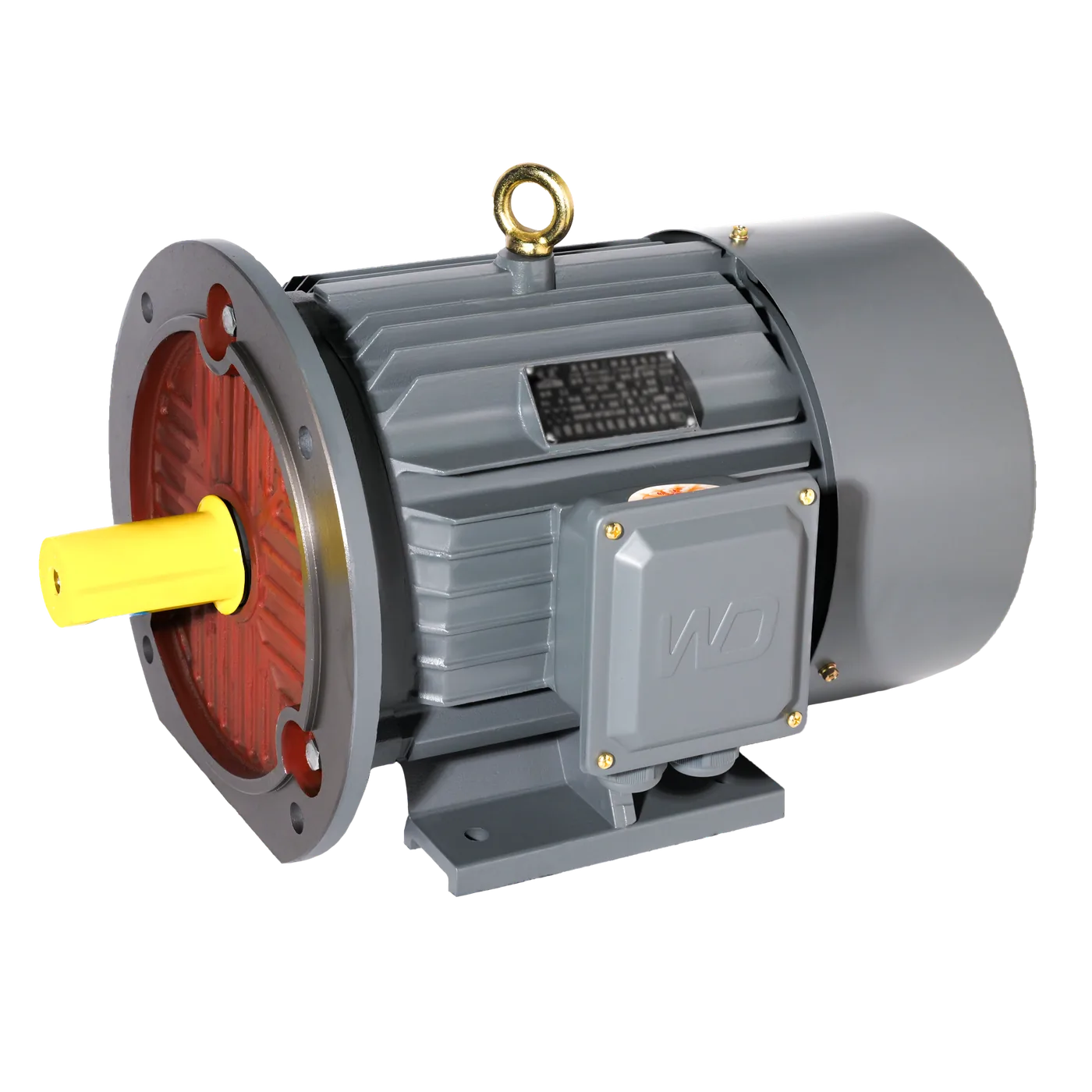
Variable Speed Electric Motors Need a Different Failure Review
Variable speed electric motors require additional checks. If winding overheating occurs during VFD operation, review the actual frequency range, continuous low-speed operating time, load torque, acceleration and deceleration requirements, VFD settings and cooling conditions.
At reduced speed, cooling from a shaft-mounted fan also decreases. Long periods of high-load, low-speed operation therefore need particular attention.
For variable-speed machinery, the published YVF2 performance table lists H200–355 models rated 18.5–315 kW. Other YVF2 frame sizes and ratings require model-specific confirmation. The replacement decision should consider whether the original motor was suitable for the required variable-speed operating range, rather than simply whether its winding can be rewound.
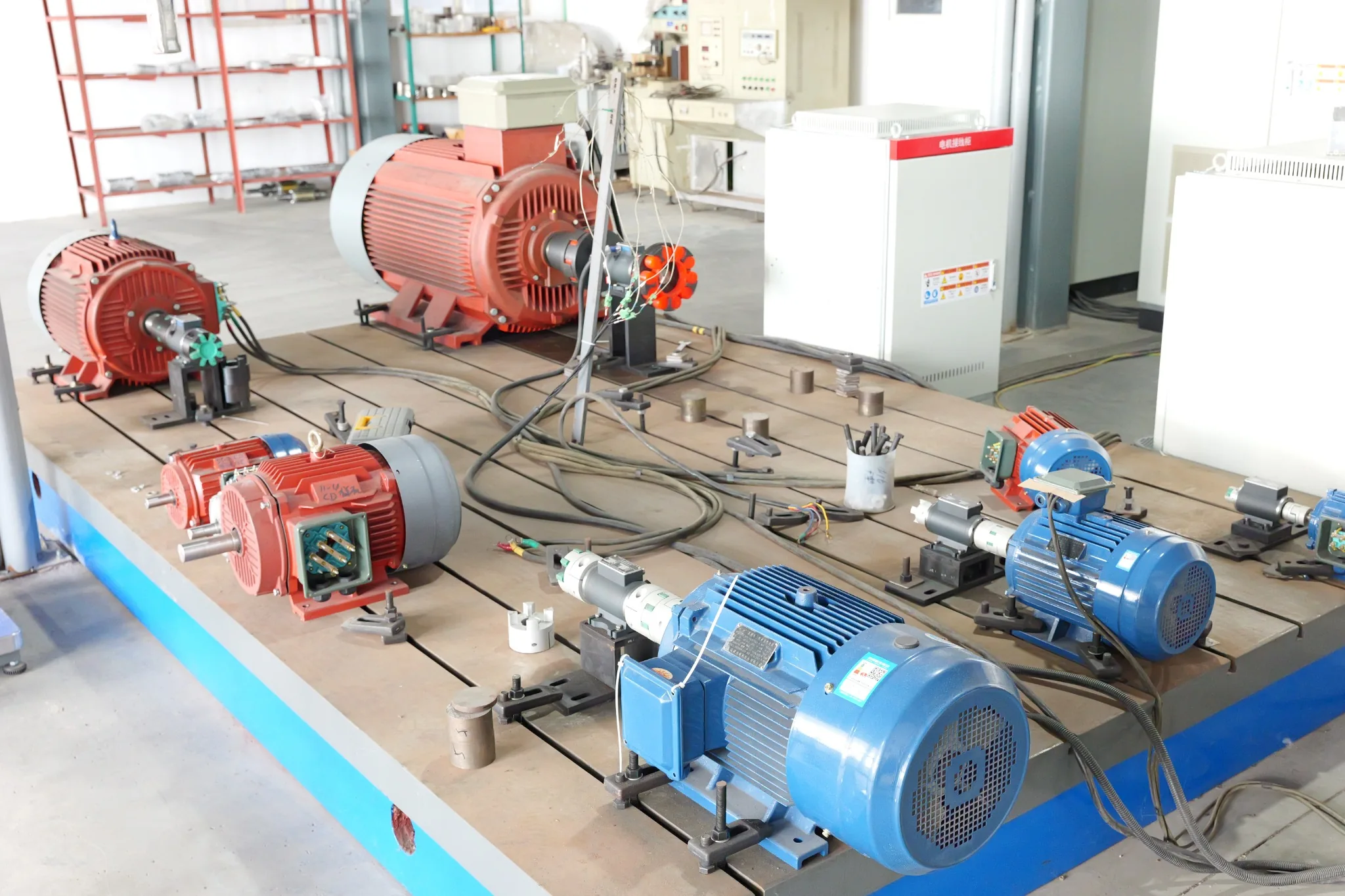
Repair or Replace a High Power Electric Motor?
For a high power electric motor, downtime, rewinding cost, stator-core condition and remaining mechanical life become more significant. Our YE3 H355–450 high power electric motor range covers approximately 160–1,000 kW. Where variable-frequency operation is required, the YVF3 H355–450 variable frequency motor covers approximately 132–900 kW.
Localized repair may be reasonable when damage is limited and the remaining insulation is healthy. Rewinding is more appropriate when winding damage is extensive but the stator core and mechanical components remain worth retaining. Replacement should be evaluated when failures are recurring, damage is extensive, other major components are deteriorated or the original motor specification no longer matches the machine.
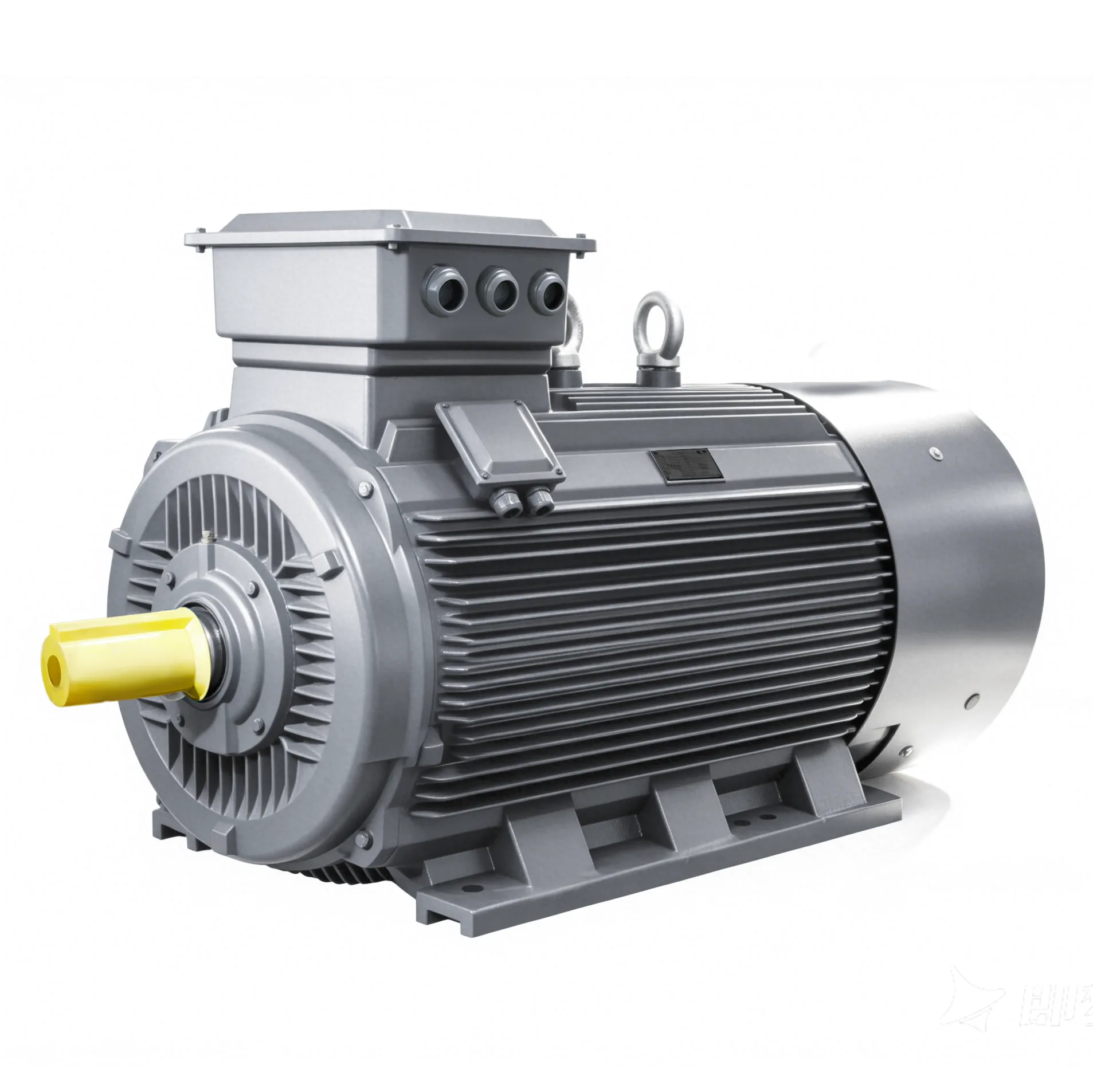
What We Need to Match a Replacement Motor
If replacement is being considered, send us:
- motor nameplate photo;
- power, voltage, frequency and rated speed;
- mounting and critical mechanical dimensions;
- driven equipment and actual operating load;
- fixed-speed or VFD operation and frequency range;
- known symptoms or cause of the previous failure;
- quantity and destination country.
Matching only the rated kW is not enough. Failure information helps us determine whether the replacement should reproduce the existing specification or whether motor sizing, efficiency level or variable-frequency capability should be reconsidered.
If you are still diagnosing the motor and have not yet confirmed a winding fault, return to the electrical fault troubleshooting sequence before ordering a replacement.
Need to Match a Replacement Three Phase Motor?
Send us the motor nameplate, application, operating conditions and available failure information. We can review the required power, speed, voltage, mounting, efficiency level and variable-frequency requirements before quotation.