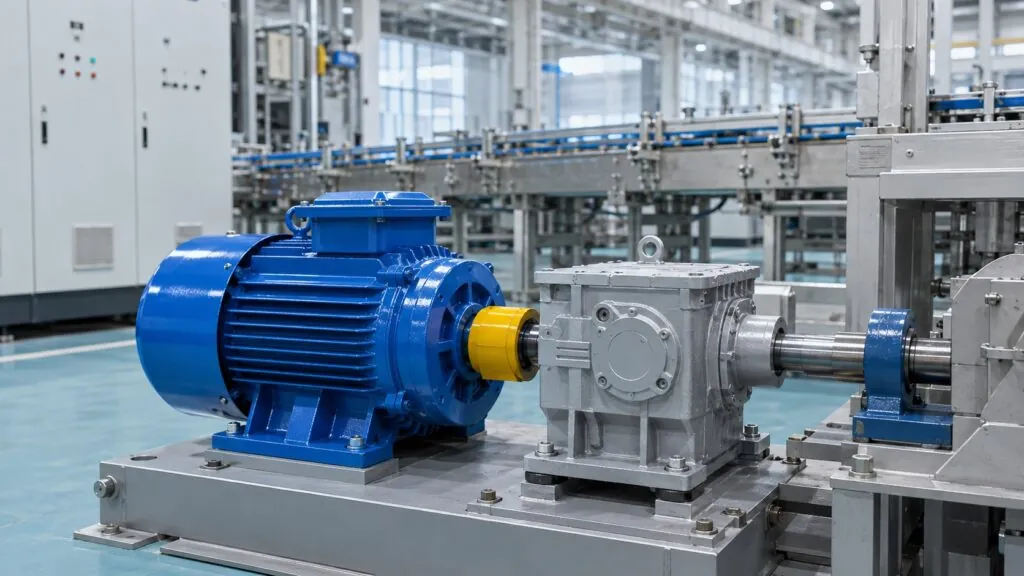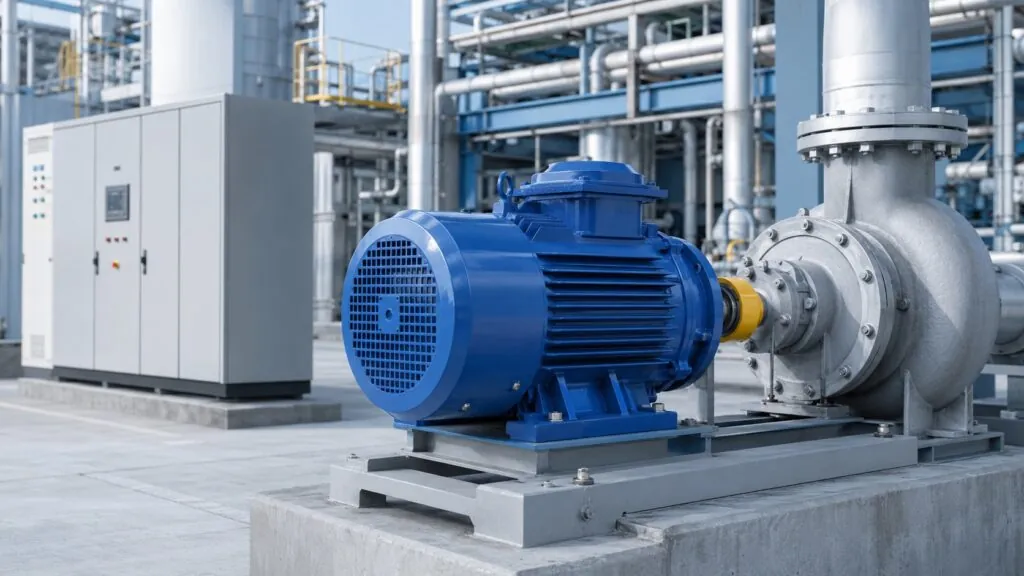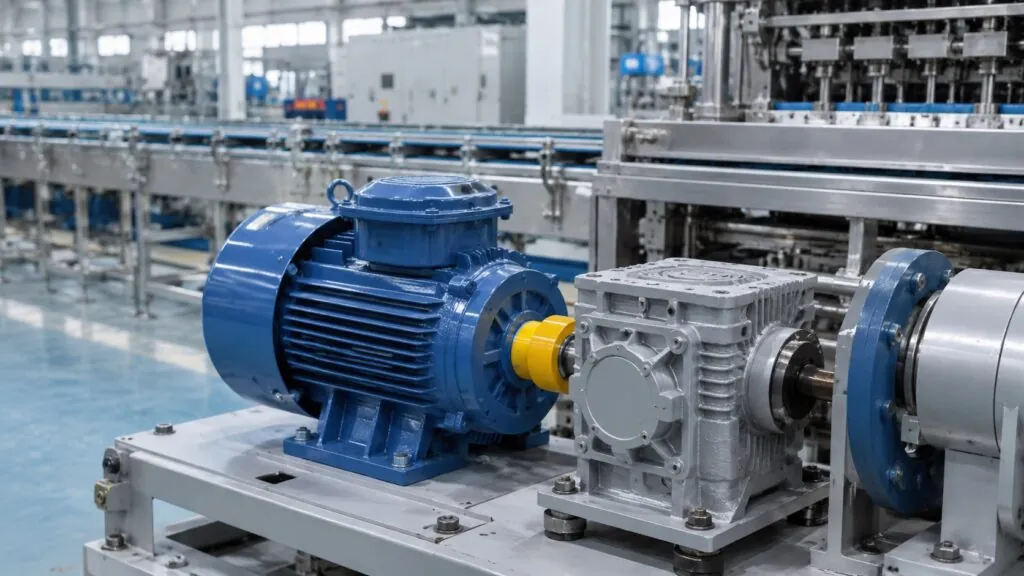




Electric motors are widely used in mining equipment to provide stable power for crushing, conveying, screening, ventilation, pumping, lifting, and material handling systems. In mining operations, equipment often works under heavy load, long operating hours, dust, vibration, humidity, and harsh site conditions. A suitable motor helps improve equipment reliability, reduce unplanned downtime, and support continuous production.
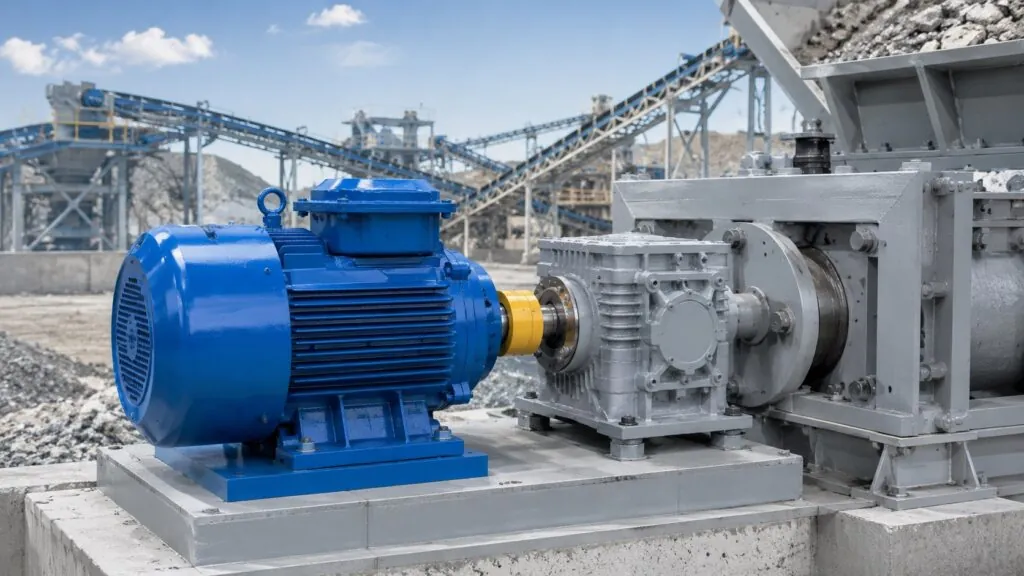
Yaoda motors can be applied to crushers, vibrating screens, belt conveyors, bucket elevators, hoists, pumps, fans, compressors, grinding equipment, and other mining machinery. According to different working conditions, motors can be selected by rated power, speed, voltage, frame size, mounting method, protection level, insulation class, duty cycle, and starting performance.
For mining equipment, motor selection should consider more than basic power output. Starting torque, overload capacity, heat dissipation, dust resistance, vibration resistance, and compatibility with reducers, couplings, pulleys, or belt transmission systems are important factors. In some mining environments, explosion-proof or higher-protection motors may also be required to meet site safety requirements.
A properly matched electric motor helps mining machinery maintain stable operation under demanding load conditions. It can reduce overheating, abnormal vibration, transmission failure, and maintenance frequency, while supporting safer and more efficient production.
Yaoda supports mining equipment manufacturers, project contractors, and industrial users with reliable motor options for different mining applications, helping equipment operate steadily in crushing plants, material conveying systems, ventilation systems, drainage systems, and heavy-duty processing lines.
Motor requirements in mining and mineral processing
Mining duty combines heavy loads, frequent starts, dust, moisture and long operating hours. Motors are usually specified for a higher duty margin than the calculated shaft power, and protection against dust and water ingress becomes as important as output:
- Crushers, screens and feeders — high breakaway torque and shock loading; cast-iron frames and generous service factors.
- Belt conveyors — long cable runs, soft starting or VFD control; YVF2 variable-frequency motors for speed regulation and controlled acceleration.
- Slurry and dewatering pumps — continuous duty, often with VFD flow control and IP55 or IP65 protection.
- Ventilation and dust extraction fans — variable-torque duty; YVF2 variable-frequency motors or TYP permanent-magnet synchronous motors for unclassified areas. Classified areas require an exact motor configuration with documented suitable explosion protection.
- Hoists, winches and gates — holding and braking duties with YEJ2 brake motors.
Explosion protection for classified mining areas
For a classified area, select a motor configuration whose current certificate and nameplate marking cover the site classification and atmosphere. Series names alone do not establish suitability:
- YBX3 flameproof motors for gas applications only where the exact ordered configuration's marking and current certificate match the classified area.
- YFBX3 dust explosion-proof motors only where a current certificate and nameplate marking document suitability for the actual dust, temperature limits and classified area.
- YBVF2 explosion-proof VFD motors where explosion protection and variable-speed operation are both required.
Frequently asked questions
Which motor is used for a crusher?
Low-voltage crusher drives are normally YE3 high-power motors (H355–450, up to 1000 kW) or, for larger frames, the H355–450 high-power range. Starting torque, flywheel inertia and the starting method should be confirmed together with the motor supplier.
Can standard motors be used in a dusty mine site?
Above-ground installations with unclassified dust can use standard IP55 motors with regular cleaning and correct cooling paths. Where combustible dust creates a classified area, use a motor configuration with documented protection matching the dust group, temperature limits, area classification and local requirements. Confirm the current certificate and nameplate marking before selection.
How is motor protection maintained at low speed with a VFD?
At low output frequency the shaft-mounted fan loses cooling capacity, so VFD motors are specified with insulation designed for inverter output and, where the duty demands it, an independent cooling fan is added.
Related reading
Manufacturing and test capability: factory and type test laboratory. Motor ranges: all Yaoda motor series. Further notes: industrial applications and YBX3 flameproof motor guide.